A dementia diagnosis changes daily life for the whole family, not only for the person who receives it. Good memory care responds with a safe routine, tailored therapy and steady support that protect comfort, dignity and independence.

What you’ll learn from this article
- What memory care involves and who it is designed for
- Why the living environment affects mood, orientation and daily functioning
- How therapy can build on the abilities a person still has
- When a long-term stay makes sense and when respite care is enough
Memory care is specialised, round-the-clock support for people with dementia. It combines medical care, daily therapy and a calm, homelike setting. The aim is to protect comfort, dignity and independence for as long as the illness allows.
What memory care means for someone living with dementia
Memory care supports people whose memory, orientation or judgement has changed through illness or age. It brings medical supervision, personal care and daily therapy together in one place. The goal is not to reverse the condition. The goal is to help a person live each day with as much calm, safety and self-reliance as possible.
The Origin Otwock Memory Care programme supports people with Alzheimer’s disease and other forms of dementia. It also helps those with memory disorders linked to ageing. Care is planned around each resident’s stage of illness, not a fixed schedule. That way, a person receives help where they need it, and keeps doing what they still can.
Why the surroundings matter as much as the medicine
For a person with dementia, a confusing space raises stress and can trigger agitation. A calm, readable environment does the opposite. Lighting, colour and layout all help a resident understand where they are and what happens next.
Small groups matter too. We keep each ward to roughly 10 to 13 residents at a similar stage. This supports a quieter, more homelike setting. The Origin Otwock centre sits inside the Mazovian Landscape Park. Daily walks along shaded paths then become part of the routine, which gives structure to the day and eases restlessness.
Therapy shaped around each person’s remaining strengths
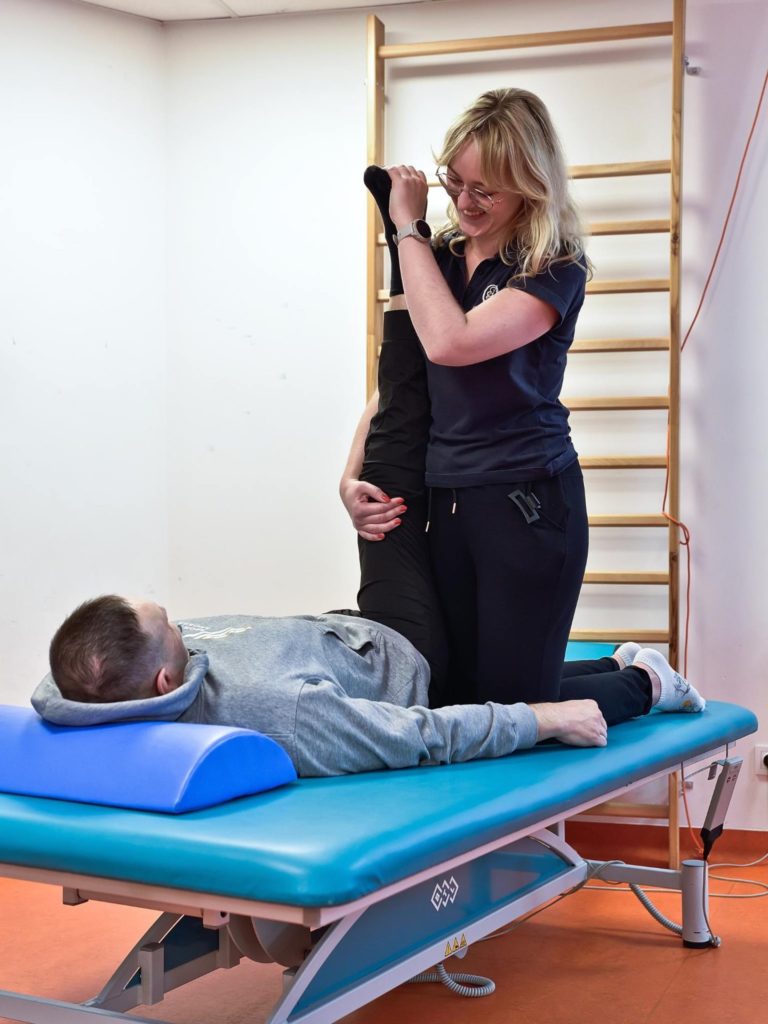
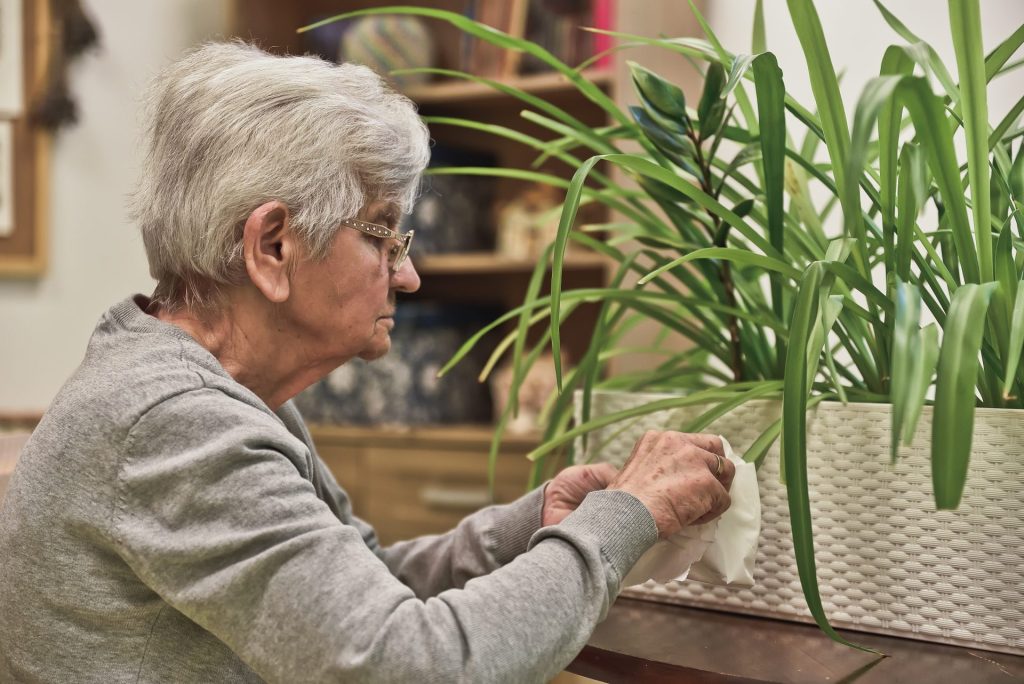
The main form of activity in our programme is occupational therapy. Each session works on skills a person still uses, such as planning, attention and simple everyday tasks. This keeps abilities active for longer and protects a sense of purpose.
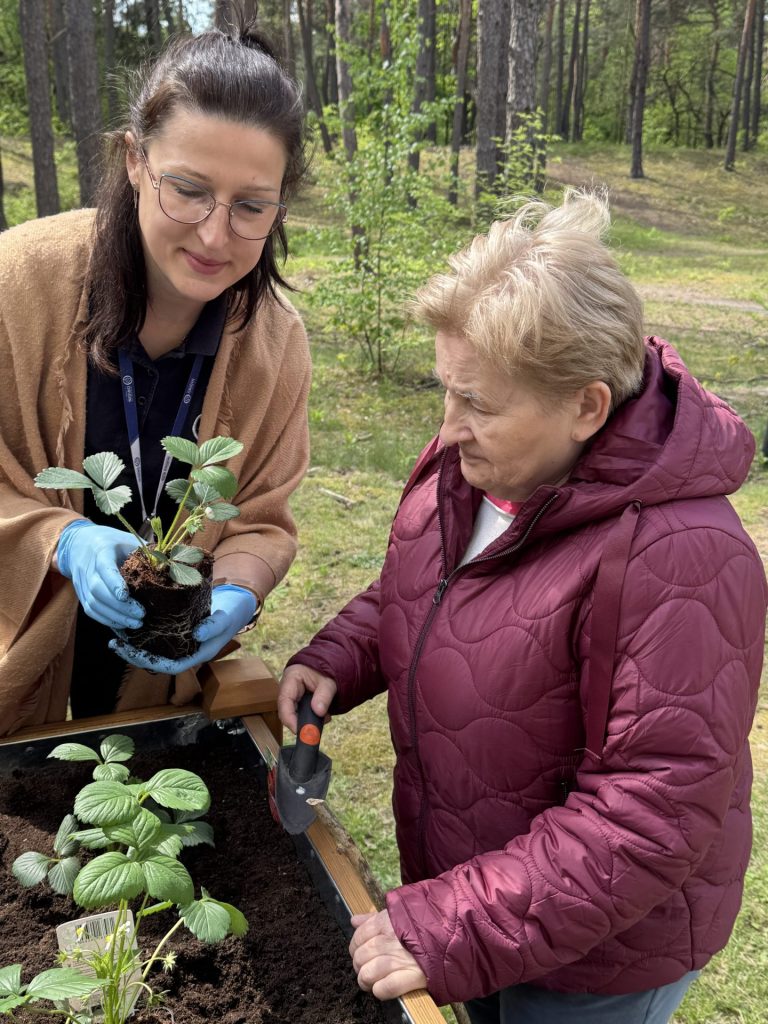
Activities take many forms, from art and music to gardening, cooking and group exercise. A multi-sensory Snoezelen room offers gentle stimulation that aims to lower tension and improve mood. Our therapists also draw on recognised care models, including Naomi Feil’s validation method and Montessori-based activities. Each approach shares one idea: meet the person where they are, and respect how they feel.
Long-term care or a short respite stay
Not every family needs the same length of support. Some look for a permanent home with full care. Others need cover for a few weeks while a caregiver rests or recovers. Both options sit within the programme, and the daily care stays the same.
The table below shows how the two stay types compare.
| Aspect | Long-term care stay | Short-term or respite stay |
|---|---|---|
| Main purpose | A settled, permanent home with full daily care | Temporary support or relief for a family caregiver |
| Typical situation | Care needs are constant and likely to grow | A carer is unwell, away or simply needs rest |
| Length | Open-ended, reviewed over time | From a few days to several weeks |
| What the family gains | Continuity and a stable routine for their relative | Time to recover, with care they can trust |
Respite care often helps families keep caring at home for longer. A short, planned break can ease the strain before it becomes too much.
The specialists who share responsibility for daily care
Dementia affects the body as well as the mind, so one profession rarely covers every need. Our specialist team at Origin Otwock brings together nurses, carers and therapists. All of them train in dementia care through the Origin Academy programme.
Residents also have access to specialist consultations, including a neuropsychologist, speech therapist and neurologist. Nursing and personal care run around the clock, with regular medical visits. Families receive periodic reports on their relative’s condition, so nothing important stays hidden.
How families join the programme at Origin Otwock
Admission starts with a review of medical records, an assessment of current health and a conversation with the family. No referral is needed, which removes one common hurdle. This lets us understand the person before they arrive, then plan care that fits them.
A decision usually follows within a few days of receiving complete documents, and we tell the family directly. If you are unsure whether the programme suits your relative, a consultation on rehabilitation potential can help you decide. It gives you a clear, honest picture before any commitment.
Frequently asked questions
What is the difference between memory care and a standard nursing home?
Memory care focuses on people with dementia and related conditions, with staff trained for those specific needs. The environment, daily routine and therapy are all adapted to memory loss. A standard nursing home offers general care, without the same dementia-specific design.
Do I need a referral to enrol a family member?
No. Admission to the programme does not require a referral. It is based on medical records, a health assessment and an interview with the family.
Can a person with dementia still take part in activities?
Yes. Activities are adapted to what each person can manage, from music and art to gentle exercise and cooking. The aim is to keep familiar skills active and support a sense of purpose.
How long does it take to get a decision about admission?
A decision usually comes within a few days of the team receiving the full documentation. We then contact the family directly with the outcome.
Is short-term care available if I only need temporary support?
Yes. The programme offers short-term and respite stays alongside long-term care. These suit families who need cover while a caregiver rests, recovers or travels.