Neuropathy After Chemotherapy: How Are Rehabilitation Needs Assessed?
Tingling fingers or numb feet after chemotherapy are easy to dismiss as a minor complaint that will go away on its own. Neuropathy can, however, make it harder to fasten buttons, walk steadily and sleep well, and for some people it persists long after treatment ends. A thorough assessment of rehabilitation needs shows how the symptoms affect everyday life and allows therapy to be planned safely.
What you’ll learn from this article
- what causes neuropathy after chemotherapy and how it shows itself,
- when it’s worth having a rehabilitation assessment,
- which areas the physiotherapist and occupational therapist check,
- why assessing balance and gait matters so much,
- how the stage of cancer treatment shapes the rehabilitation plan.
An assessment of rehabilitation needs for chemotherapy-induced neuropathy begins with a conversation about symptoms and the course of treatment. Specialists then examine sensation, muscle strength, balance, gait and hand function in everyday activities. Based on this, the doctor and physiotherapist set therapy goals and a safe exercise intensity.
What causes neuropathy after chemotherapy and how it shows itself
Some cancer drugs damage the peripheral nerves, which carry signals between the spinal cord and the hands and feet. Neuropathy is most often caused by platinum compounds, taxanes, vinca alkaloids, bortezomib and thalidomide. According to a review published in the journal Oncology in Clinical Practice, the problem is estimated to affect 30–40 percent of patients receiving chemotherapy.
Symptoms usually start in the fingers and toes. Patients describe pain, numbness and tingling, most often in the hands and feet. Muscle weakness and an abnormal gait may follow. Some people say it feels like “walking on cotton wool”, or notice they can no longer feel small objects in their hand.
Neuropathy does not always appear straight away. It most often develops within the first two months of treatment and gets worse as treatment continues. After platinum-based drugs, symptoms may even intensify for some time after therapy has ended. This is why a rehabilitation assessment makes sense both during and after treatment.
When to have a rehabilitation needs assessment
The best time is when symptoms start to affect everyday life. Warning signs include difficulty opening a jar, writing or fastening buttons. Tripping, feeling unsteady on stairs and worse balance after dark are just as important.
Cancer rehabilitation does not have to wait until treatment is over. In our oncology rehabilitation programme, we accept patients both during active cancer treatment and after it has finished. It’s always worth discussing the decision to start therapy with the treating oncologist, who knows the full course of treatment.
For the first appointment, it helps to bring cancer treatment records and a current list of medications. Results of any neurological tests are also useful. The fuller the picture, the easier it is to match therapy to real needs.
Interview, sensation and strength testing: where the assessment begins
The assessment starts with a conversation. The specialist asks where the symptoms occur, when they get worse and in which situations they are most troublesome. They also ask about the course of chemotherapy, other conditions and daily activity. This information matters a great deal, because neuropathy can look completely different in two people after the same treatment.
Next, the physiotherapist tests superficial and deep sensation. Deep sensation tells the brain where the joints are without looking at them. When it fails, the patient has to watch every step and every grip. The therapist also checks the strength of the hand and foot muscles and the range of motion in the joints.
| Area assessed | What the specialist checks | Why it matters |
|---|---|---|
| superficial sensation | response to touch, temperature, pain | loss of sensation increases the risk of burns and abrasions |
| deep sensation | awareness of joint position | affects balance and confidence of movement |
| muscle strength | grip strength, strength of foot and lower leg muscles | walking and hand function depend on it |
| balance and gait | stability when standing and walking | helps assess the risk of falls |
| hand function | grasping, writing, fine tasks | translates into everyday independence |
| pain | type, intensity, effect on sleep | helps choose methods to ease discomfort |
Balance, gait and the risk of falls
Numbness in the feet disrupts information about how the foot meets the ground. During the day, eyesight partly makes up for this. In the dark or on uneven ground, the patient loses that reference point and trips more easily. This is why assessing balance and gait is a standard part of the examination.
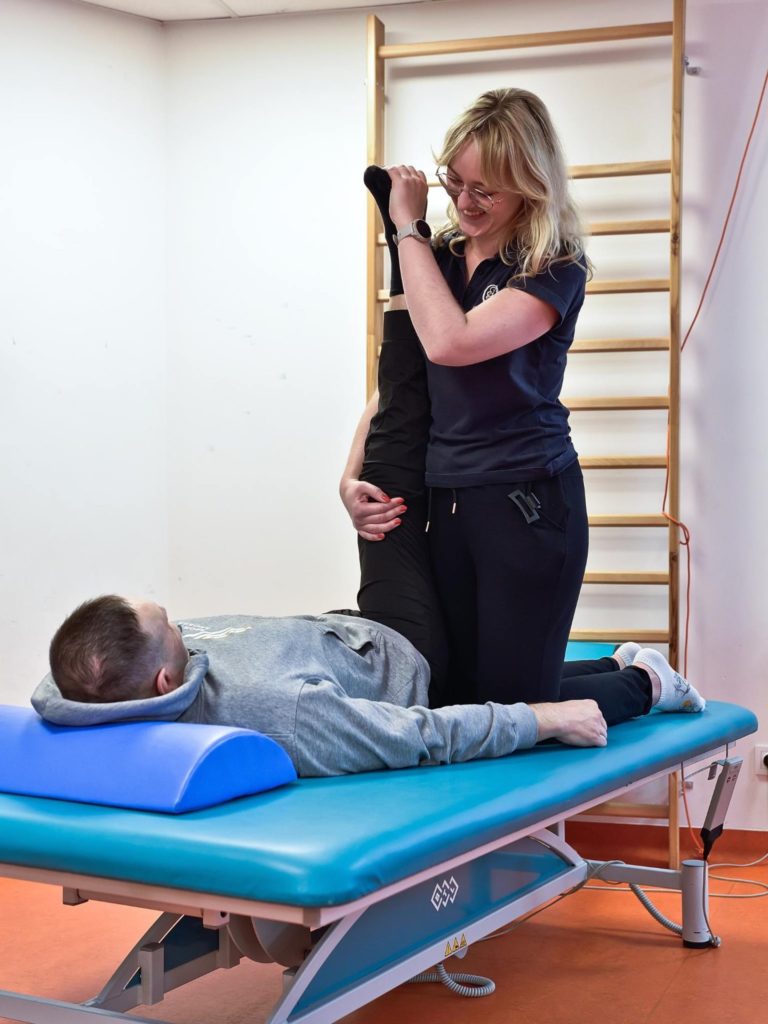
A review by specialists at Memorial Sloan Kettering Cancer Center indicates that rehabilitation can address muscle weakness, impaired deep sensation, and poor balance and gait. In practice, the therapist watches how the patient stands up from a chair, stands with feet together, walks and turns around. The results of these tests show whether balance training, safe walking practice or orthopaedic aids are needed.
In our neuropathy rehabilitation programme, we use balance and coordination exercises, gait training and unweighted exercises, among others. At Origin Centre Kraków, we also offer exoskeleton training. We describe the full range of methods on the page about our neuropathy rehabilitation programme.
Hand function and everyday activities in the occupational therapist’s assessment
The physiotherapist checks how the muscles and nerves are working. The occupational therapist looks at the same thing from the perspective of daily life. They observe how the patient holds cutlery, writes, fastens buttons or uses a phone. Small difficulties that patients often don’t notice themselves come to light during exactly these tasks.
The therapist also asks about home and work. Assessing the home and work environment makes it possible to recommend changes that make daily life easier and reduce the risk of injury. Sometimes thicker cutlery handles, better lighting in the hallway or a non-slip bathroom mat are enough.
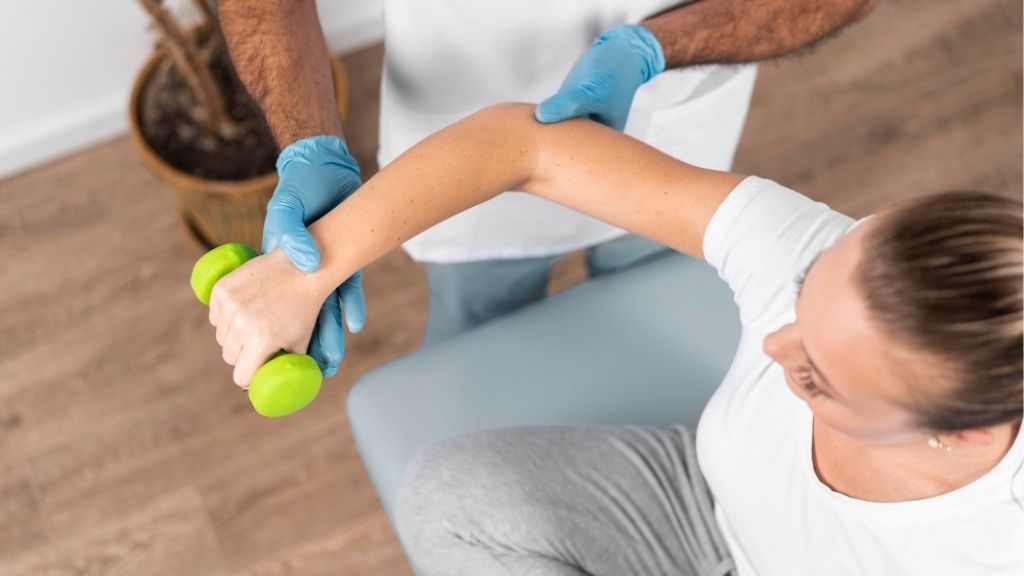
Based on this, the therapist plans manual exercises such as grasping and manipulating small objects. They also teach compensatory techniques and pain management strategies. The aim is as much independence as possible in dressing, eating, personal hygiene and cooking.
A rehabilitation plan matched to the stage of cancer treatment
The assessment results translate into an individual plan. For patients still receiving chemotherapy, maintaining fitness and physical capacity is often the priority. After treatment ends, therapy can focus on rebuilding strength, balance and precision of movement. In our oncology programme, we provide two functional rehabilitation sessions a day along with training in everyday activities.
The intensity of each therapy is set by the treating doctor and physiotherapist. Patients remain under regular observation, so the plan changes along with their wellbeing and physical capacity. If their health deteriorates in any way, we stop the exercises and the doctor reassesses the patient. The choice of physical therapy methods also depends on the stage of treatment and the doctor’s decision.
In fairness, rehabilitation does not reverse nerve damage in every case. It can, however, ease symptoms, make moving around safer and make everyday life easier. For people who want to understand their realistic possibilities, we offer a rehabilitation potential consultation.
Frequently asked questions
Does neuropathy after chemotherapy go away once treatment ends?
For many people, symptoms ease over time, but the course varies greatly between individuals. According to a review in Acta Oncologica, neuropathy after taxanes may persist for several years in about 30 percent of patients. That’s why it’s worth not simply waiting, and instead checking how the symptoms affect daily life.
Can neuropathy rehabilitation start during chemotherapy?
Yes, cancer rehabilitation also includes patients who are still in treatment. In that case, the doctor and physiotherapist set the exercise intensity based on the patient’s current physical capacity. It’s worth discussing the decision to start therapy with the treating oncologist.
What documents should I bring to a rehabilitation needs assessment for neuropathy?
It’s worth preparing your cancer treatment records, including information on the drugs used and chemotherapy dates. A current list of medications and the results of any neurological tests are also helpful. Complete documentation makes it easier to plan therapy safely.
Does rehabilitation reduce tingling and numbness in the hands after chemotherapy?
Rehabilitation can help ease symptoms, but the effect depends on the extent of nerve damage. Even when numbness persists, exercises and compensatory techniques often improve hand function. Realistic goals are best set after an individual assessment.
How can I reduce the risk of falling with numb feet after chemotherapy?
Good lighting helps, especially at night on the way to the bathroom, as does removing loose rugs. Wear stable, closed shoes and check your feet regularly, because small abrasions are easy to miss when sensation is impaired. Balance training with a physiotherapist further builds confidence when moving around.