A stroke affects far more than movement, and recovery rarely follows a single straight path. Rehabilitation works best when it starts from clear goals. Those goals decide which therapies matter most and how we track progress over time.
What you’ll learn from this article
- Why post-stroke rehabilitation is built around specific, personal goals
- How therapy helps lower the risk of another stroke
- What “early” and “late” rehabilitation mean in practice
- When realistic progress usually becomes visible
Post-stroke rehabilitation has three main goals. It aims to restore lost functions, lower the risk of another stroke, and rebuild independence in daily life. At the Origin Centres in Kraków and Otwock, we set these goals individually for each patient.
Why post-stroke rehabilitation needs clear, personal goals
A stroke damages nerve structures in the brain. That damage can affect movement, speech, swallowing, memory, and mood, often all at once. General aims like “get better” give a therapist very little to work with.
Clear goals turn recovery into something we can plan and measure. They tell the team which functions to prioritise and how to sequence therapy. In practice, this shapes the whole scope of our post-stroke rehabilitation programme, from the first assessment onward.
A multidisciplinary team keeps these goals under review. Weekly medical case conferences let doctors, physiotherapists, and neuropsychologists agree on the next steps together. After 2 to 3 weeks, each specialist prepares a mid-stay report, comparing admission tests with current results.
Lowering the risk of another stroke
Recovery is not only about regaining function. It also means reducing the chance that a second stroke happens. This goal often gets less attention than movement or speech, yet it protects everything else the patient works to rebuild.
Prevention starts with the causes. Atherosclerosis, high blood pressure, smoking, and diabetes all raise stroke risk. A neurologist reviews these factors and helps address them during rehabilitation, alongside the physical and cognitive work.
Regaining independence in daily life
Most patients measure success by everyday things. Washing, dressing, preparing a meal, and moving safely around the home all matter more than any single test score. Restoring this autonomy is one of the clearest goals of rehabilitation.
Occupational therapy targets these skills directly. We run activities of daily living (ADL) training in a specially equipped training flat, where patients practise real tasks with a therapist. Our occupational therapists can also advise on adapting the home, such as removing obstacles or fitting grab rails, so daily life becomes safer.
Restoring movement, speech and cognitive function
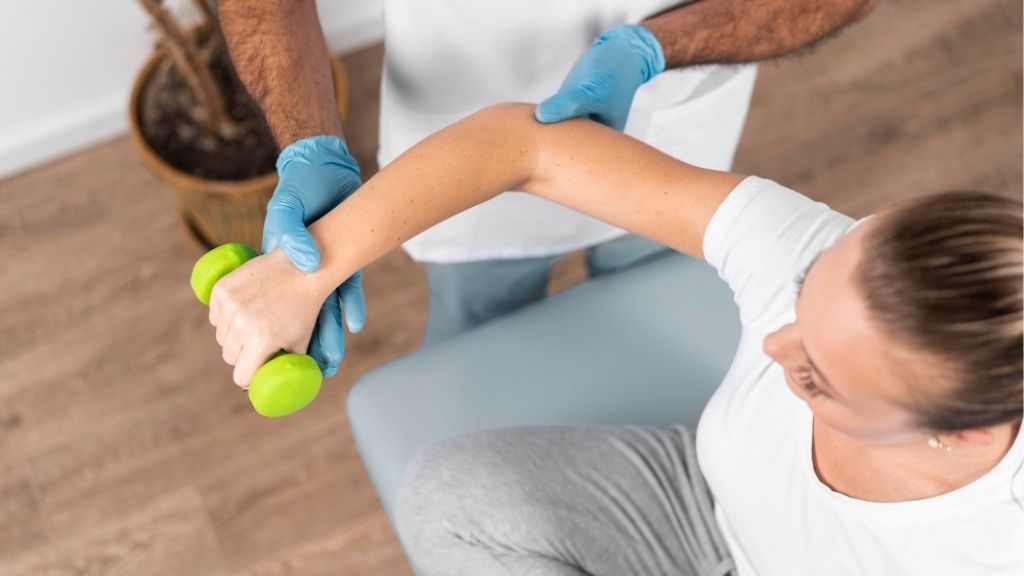
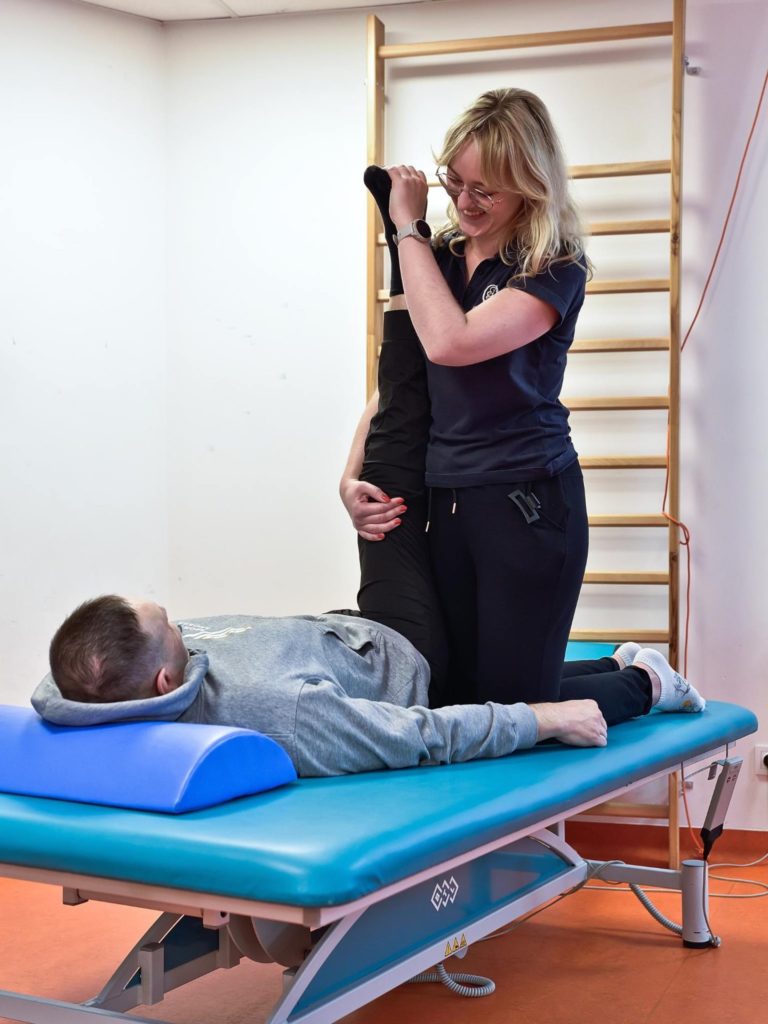
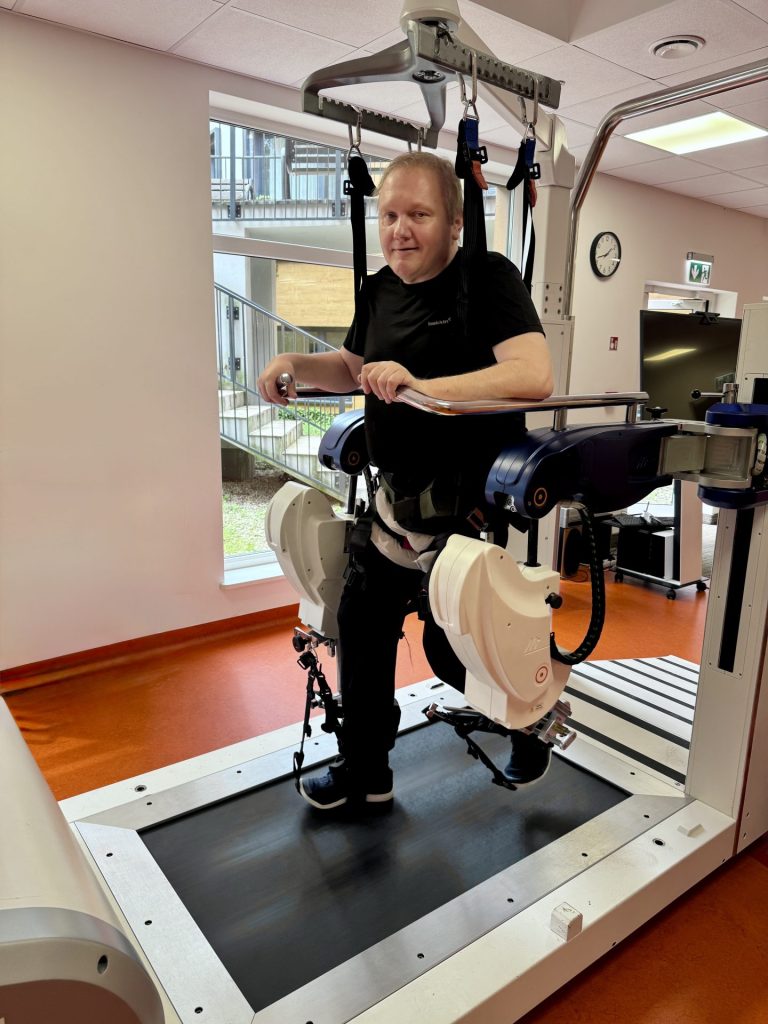
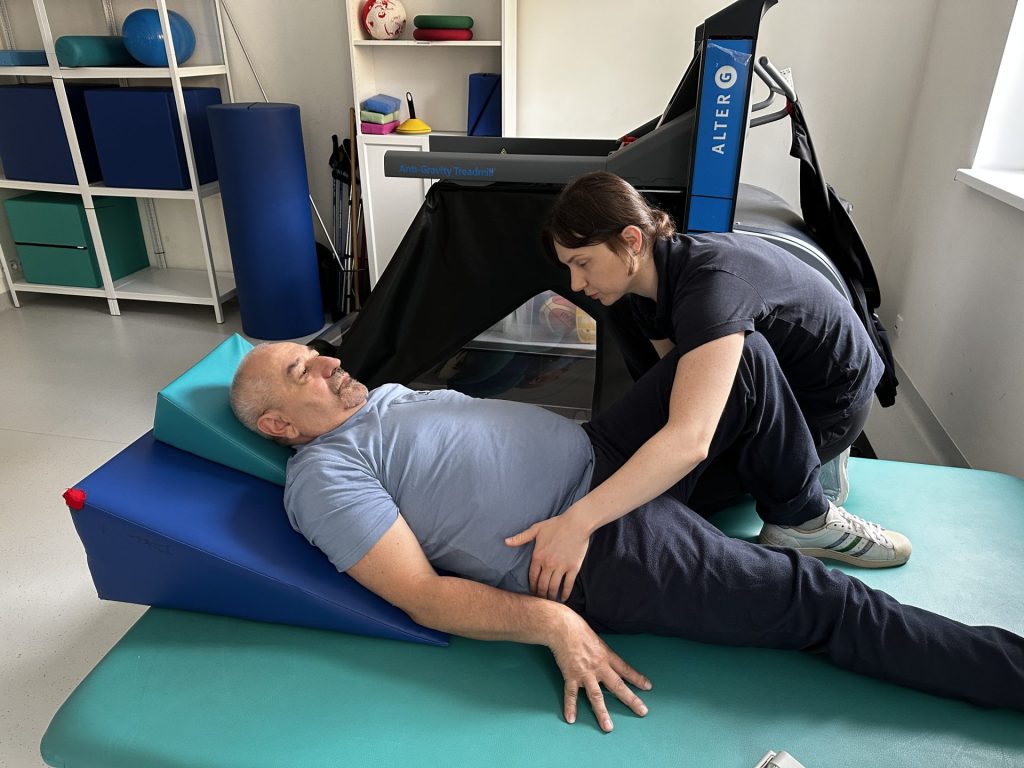
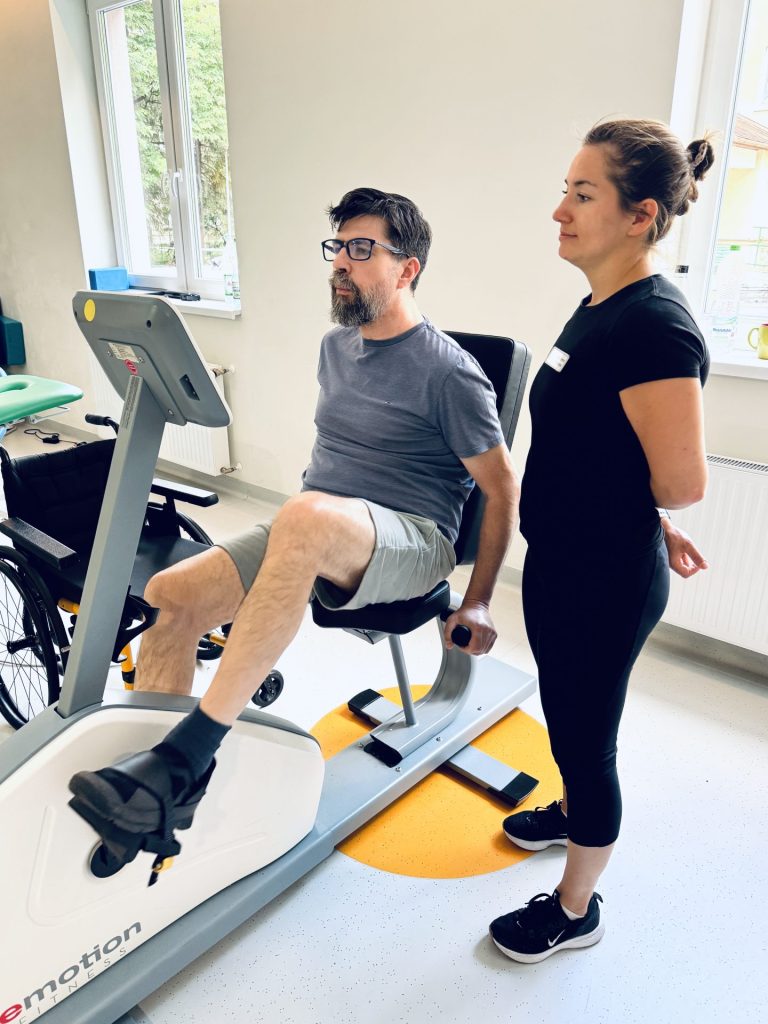
Physical recovery covers strength, balance, coordination, and walking. Early on, physiotherapists apply neurophysiological methods such as PNF and Bobath to regulate muscle tone and protect sensation. Later, the focus moves to limb dexterity, coordination, and general fitness.
Communication and swallowing sit alongside movement. A speech and language therapist helps patients speak more clearly and, for many, safely return to eating. Neuropsychologists work on memory, attention, and executive function, and support patients through the frustration and low mood that often follow a stroke.
Adapting to lasting changes after a stroke
Some effects of a stroke stay for a long time. Adaptation means learning to live well within new limits, and that process can take several years. Rehabilitation supports it rather than pretending the change never happened.
Families are part of this work. Our neuropsychologists provide psychoeducation for patients and relatives, explaining the effects of stroke and practical ways to help at home. For patients who need advanced care, including feeding through a PEG or breathing via a tracheostomy tube, our trained nursing and care staff support recovery day to day.
How timing shapes what rehabilitation can achieve
The sooner therapy begins, the more scope there is to regain lost functions. Ideally it starts within the first days, often while the patient is still in hospital. Once the condition is stable, we continue and intensify the programme at our centres.
Timing does not close the door, though. No one is excluded because their stroke happened long ago, and later rehabilitation still sets meaningful goals. If you are unsure what is realistic, a consultation on rehabilitation capacity assesses the real potential before any plan begins.
| Aspect | Early rehabilitation | Late rehabilitation |
|---|---|---|
| Timing | Within 3 months of the stroke | More than 3 months after the stroke |
| Main focus | Regulating muscle tone, protecting sensation, preventing muscle atrophy | Restoring limb dexterity, coordination, balance, and fitness |
| Typical methods | Neurophysiological techniques such as PNF and Bobath | Task-based training for long-term deficits |
Frequently asked questions
When should post-stroke rehabilitation begin after a stroke?
As early as the medical situation allows, often in the first days while the patient is still in hospital. Once the condition stabilises, therapy can continue and intensify at a rehabilitation centre. Earlier starts give more room to regain lost functions.
How long does rehabilitation after a stroke usually take?
There is no fixed answer, because it depends on the severity of the brain injury and the patient’s engagement. Some people work on their goals for months, others for years. The plan adjusts as abilities and needs change.
Can rehabilitation still help if the stroke happened years ago?
Yes. Late rehabilitation focuses on the long-term consequences of a stroke, such as limited mobility, coordination, and balance. Goals are set realistically, based on current abilities rather than on how much time has passed.
Who is on the rehabilitation team at the Origin Centres?
Care is delivered by an interdisciplinary team that includes neurologists, physiotherapists, neuropsychologists, speech and language therapists, occupational therapists, nurses, and carers. A neurologist leads the weekly case conferences. This structure lets several specialists work toward the same goals.
Is rehabilitation possible for patients with a tracheostomy or PEG?
Yes. Our staff are trained to care for patients who need ventilation through a tracheostomy tube or feeding through a PEG. Speech therapists also work on safely returning to eating and drinking where the patient’s condition allows