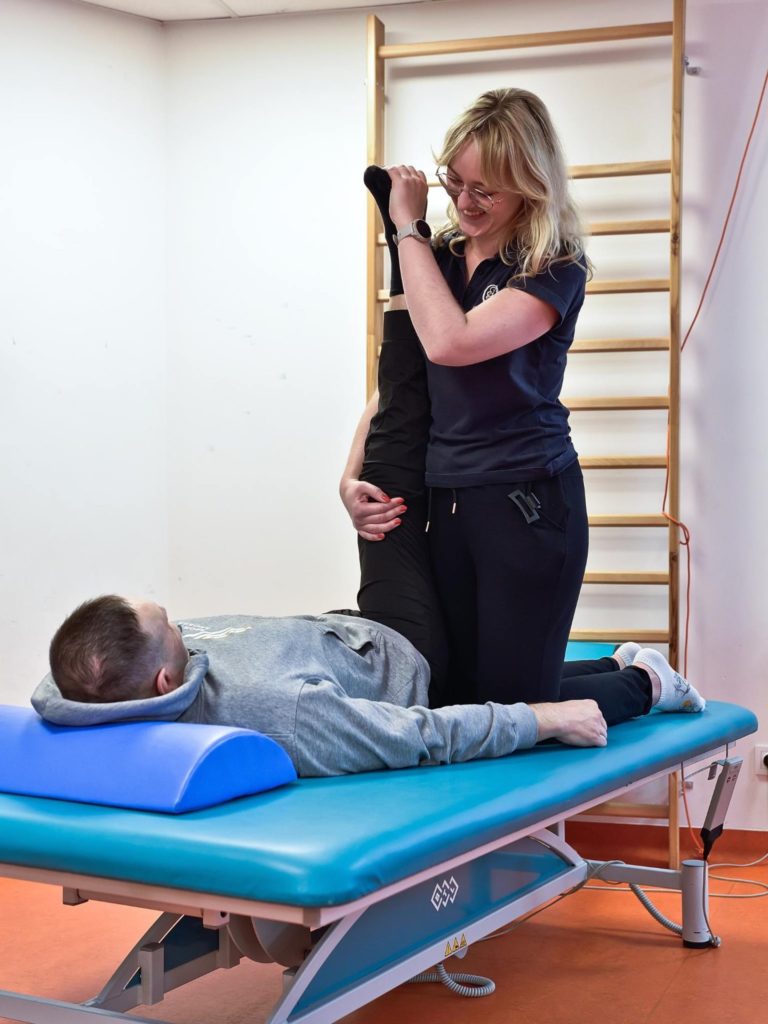
Dementia gradually changes how a person remembers, communicates, and copes with everyday life. With the right environment and support, however, many seniors can stay active, engaged, and independent for longer. Our Memory Care programme at the Origin Otwock Centre combines medical care with tailored therapy and a warm, homely setting. The aim is not only to manage the illness, but to protect each resident’s dignity and well-being every day.


What you’ll learn
- What the Memory Care programme is and who it supports
- How the environment is designed for people with dementia
- Which therapies and daily activities we use
- How to arrange care for a loved one
Memory Care is a specialised programme for older adults living with dementia, Alzheimer’s disease, or other age-related memory disorders. It brings together round-the-clock medical care, individually tailored therapies, and a calm, family-like atmosphere. The goal is to help each person maintain the best possible quality of life, for as long as possible.
What Memory Care is and who it supports
Memory Care is designed for seniors who need daily assistance because of memory or cognitive decline. We welcome people living with Alzheimer’s disease, various forms of dementia, Parkinson’s disease, and undiagnosed memory disorders linked to age or illness. You can read more about neurological conditions on our Parkinson’s disease programme page.
Residents live in small, dedicated units of around ten to thirteen people. Each unit groups together individuals at a similar stage of the illness, which supports activation and a sense of belonging. This setting gives residents both safety and a feeling of home.
A safe environment designed around dementia
The Memory Care unit in Otwock is arranged specifically for people with cognitive difficulties. We pay close attention to interior design, lighting, and colour, so that residents find it easier to orient themselves. A calm, predictable space helps reduce tension, agitation, and low mood.
The centre sits within a private pine park, with paved paths for supervised walks. Time spent outdoors supports a healthy sleep and wake cycle. A stable, familiar surrounding lowers anxiety and helps residents feel more secure.
Therapies and daily activities
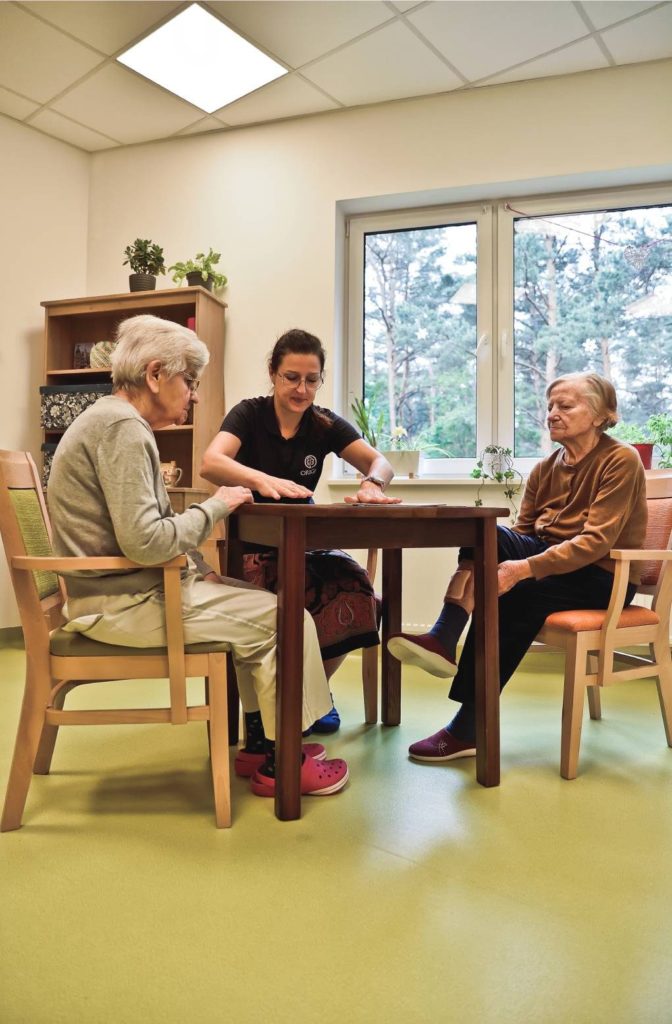
Occupational therapy forms the core of the programme. Each activity aims to activate the resident gently, drawing on their remaining strengths and personal history. The table below shows the main forms we use and what they support.
| Therapy form | What it involves | Benefit for the senior |
|---|---|---|
| Art therapy | Papercraft, embroidery, decorating, painting | Manual skills, self-expression, sense of purpose |
| Music therapy | Singing, listening, gentle dancing | Better mood, memory cues, engagement |
| Bibliotherapy | Reading aloud and discussing texts | Attention, connection, calm |
| Snoezelen room | Controlled sensory stimulation | Relaxation, reduced agitation |
| Cooking activities | Preparing simple dishes together | Daily-life skills, feeling needed |
Group activities also play an important role, encouraging conversation and new relationships. We involve residents in purposeful tasks, such as folding laundry or baking, which restore a sense of usefulness. Every activity is adjusted to the person’s current abilities to avoid frustration.
The gerontological validation approach
Our care follows the principle of gerontological validation. In practice, this means accepting the resident’s feelings and helping them find their place in a changing reality. We do not correct or argue, but meet each person with respect and understanding.
Within this approach, we encourage residents to express themselves and take part in group life. We reinforce the message that they are still needed and still capable. This attitude protects dignity and supports emotional well-being throughout the illness.
A structured daily routine
A clear and consistent daily plan gives people with dementia a sense of security. Each day balances rest, meals, therapy, and social time, always adapted to individual needs and past habits. Staff assist with everyday tasks while encouraging as much independence as possible.
The routine includes five meals a day, group sessions, gentle physical exercise, and time outdoors. We use natural daylight to support a regular sleep and wake rhythm. Predictability reduces confusion and helps residents feel calmer.
How to arrange care in the Memory Care programme
Care planning begins with a review of medical records, an assessment of the person’s current health, and a conversation with the family. Our medical team usually reaches a decision within a few days of receiving complete documentation. We then discuss the options with the family in detail.
The programme is delivered by an interdisciplinary team, including a neuropsychologist, neurologopedist, neurologist, and other specialists trained in dementia care. You can find full details on our Memory Care programme page. If you are unsure which type of stay suits your relative, our team is glad to talk it through with you.
Frequently asked questions
What is the difference between dementia and Alzheimer’s disease?
Dementia is a general term for a decline in memory, thinking, and daily functioning. Alzheimer’s disease is the most common cause of dementia, but not the only one. A doctor identifies the specific type through examination and further assessment.
Can dementia be cured or reversed?
Most forms of dementia cannot currently be cured or reversed. Care and therapy can, however, help manage symptoms and support daily functioning. The aim is to maintain quality of life and independence for as long as possible.
When should a family consider a Memory Care programme?
Families often consider specialised care when daily support at home becomes difficult or unsafe. Frequent confusion, wandering, agitation, or the need for constant supervision are common signals. A conversation with specialists can help clarify the right moment.
What is gerontological validation?
Gerontological validation is a way of communicating with people living with dementia. Instead of correcting them, carers accept their emotions and support their sense of reality. This approach reduces distress and helps preserve dignity.
Where can I find dementia care near Warsaw?
We run the Memory Care programme at the Origin Otwock Centre, near Warsaw. It combines occupational therapy, round-the-clock medical care, and a homely atmosphere. To discuss details and admission, please get in touch with our team.