A spinal cord injury changes, in a single moment, how the body moves, feels and controls its internal organs. The consequences depend on the level and extent of the damage, however. For this reason, two people injured in similar accidents often need very different rehabilitation.
What you’ll learn from this article
- what a spinal cord injury is and what most often causes it,
- how specialists assess the extent of damage using the ASIA scale,
- which medical and emotional complications may follow the injury,
- what determines the chances of walking again,
- what rehabilitation led by a multidisciplinary team looks like.
A spinal cord injury is damage to the nerve structure that carries signals between the brain and the rest of the body. It can disrupt movement, sensation and autonomic functions, including bladder, bowel and circulatory function. It is most often caused by mechanical trauma: a car accident, a fall from height or a sports injury.
How spinal cord damage happens
The spinal cord runs inside the spinal canal and connects the brain with the muscles, skin and organs. In everyday life, the spine protects it well. A sudden, violent injury can, however, fracture or dislocate the vertebrae. Bone fragments and swelling then compress the nerve fibres or sever them.
As we note in the description of our spinal cord injury rehabilitation programme, more than 800 new cases are recorded in Poland every year. Roughly half of them involve the cervical spine. Falls from height account for about 55 percent of injuries and road accidents for 33 percent. Diving accidents form a separate group, responsible for one in ten injuries.
That last figure shows how many injuries result from a single, seemingly harmless decision. A dive into water of unknown depth lasts a second, yet its consequences can stay with a person for the rest of their life.
Complete and incomplete injury, and what the level of injury means
Doctors describe a spinal cord injury in two ways. The first concerns the extent of the damage. In a complete injury, all motor and sensory function below the site of the injury is lost. In an incomplete injury, some nerve connections still work, so the patient retains, for example, sensation or certain movements.
The second concerns the level of the injury. We distinguish cervical, thoracic and lumbar injuries. The higher the damage, the larger the part of the body that loses full control. A cervical injury can affect the arms, trunk, legs and even the breathing muscles. An injury in the lumbar region mainly affects the lower limbs and bladder and bowel function.
Together, these two factors set the starting point for rehabilitation. They determine whether the first goal will be learning to walk, transferring independently to a wheelchair, or improving breathing.
The ASIA scale, a common language for doctors and therapists
To assess the injury, we use the ASIA classification. These are the International Standards for Neurological Classification of Spinal Cord Injury, developed by the American Spinal Injury Association. The tool took about 20 years to reach its current form, and its final version was adopted in 1996. The scale measures motor, sensory and reflex function and assigns the patient to one of five grades.
| Grade | What it means |
|---|---|
| A | complete spinal cord injury |
| B | sensation preserved, no motor function below the level of injury |
| C | some motor function preserved, but not useful in practice |
| D | useful motor function preserved despite weakness |
| E | no neurological deficit |
A single examination is not enough. We repeat the ASIA assessment during therapy, because it allows us to track changes in neurological status accurately. On this basis, the team adjusts the exercise plan and sets the next goals.
Complications after spinal cord injury that need ongoing attention
Spinal cord damage affects much more than the muscles. Neurogenic bladder and neurogenic bowel disrupt control over urination and bowel movements. Without regular bladder emptying, the risk of urinary tract infections rises, and in the longer term so does the risk of kidney damage. This is why we place so much emphasis on teaching self-catheterisation to people with functional hands.
A person without sensation does not notice when one area of skin has been under pressure for too long. Prolonged immobility therefore encourages pressure ulcers, which require specialist treatment. Other common complications include orthostatic hypotension, deep vein thrombosis, muscle spasticity and bone fractures.
Autonomic dysreflexia requires particular vigilance. It is a sudden, sharp rise in blood pressure that needs immediate medical attention. Cervical and thoracic injuries may also lead to breathing difficulties and cardiovascular problems.
The consequences you cannot see on an X-ray can be just as heavy. Losing a job, depending financially on loved ones and having to change life plans often lead to depression, anxiety and social withdrawal. Psychological support is therefore a permanent part of treatment, not an add-on to physiotherapy.
Can you walk again after a spinal cord injury
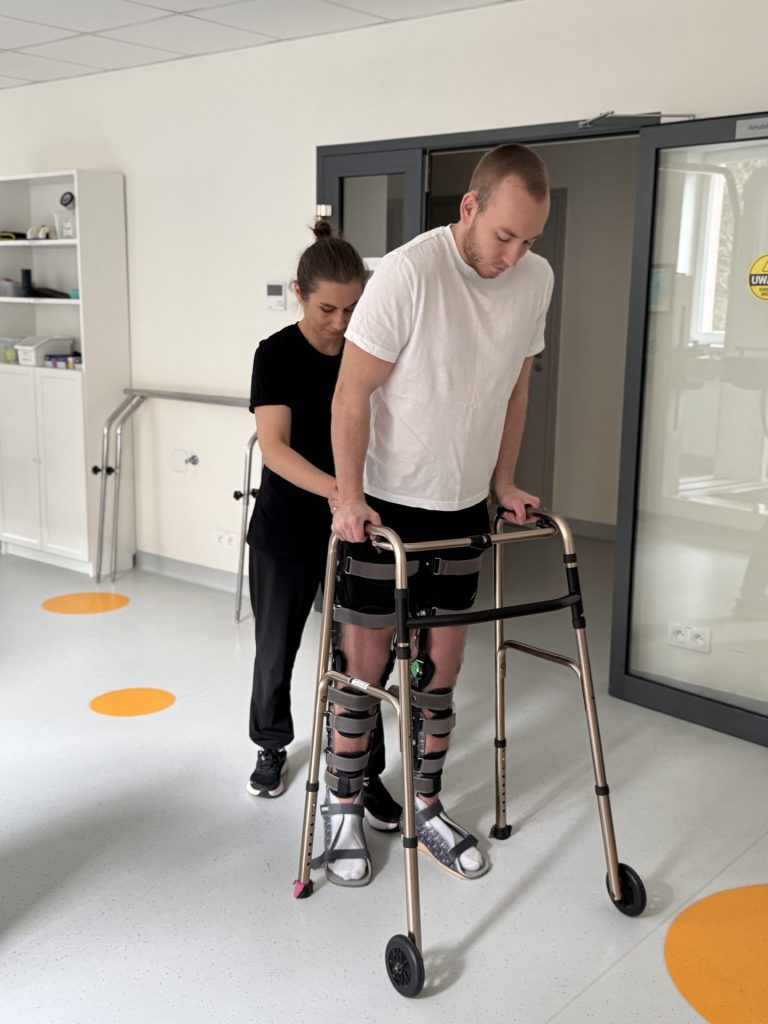
This is usually the first question patients and their families ask. The answer depends mainly on the type of injury. With incomplete injuries, many people regain the ability to walk, although it takes long and intensive rehabilitation. With complete injuries the chances are lower, but advances in medical technology, including gait training robots and exoskeletons, are gradually expanding what therapy can offer.
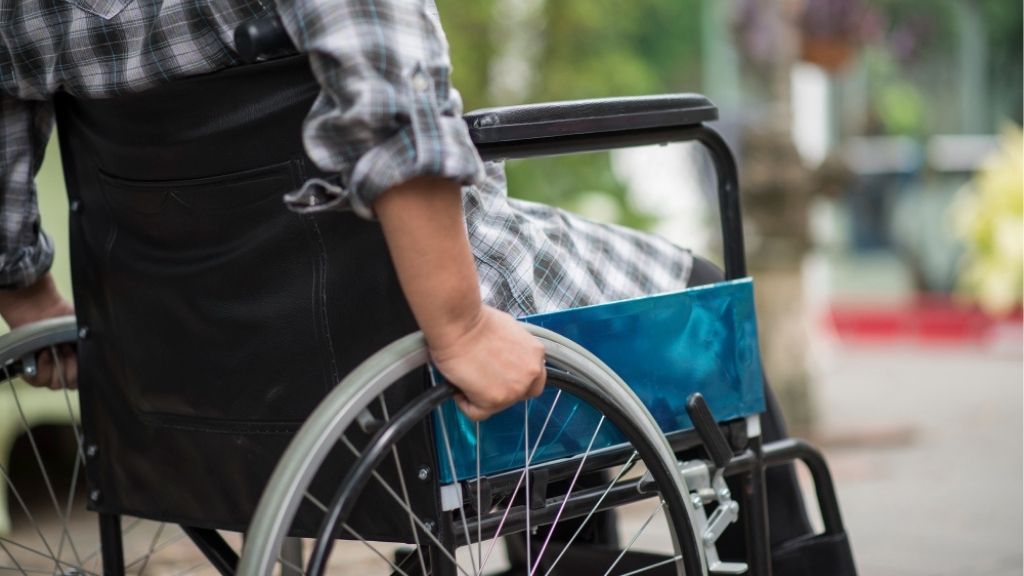
In fairness, walking is not the only meaningful goal. Moving from bed to wheelchair independently, keeping steady balance in the wheelchair or getting into a car without help makes a real difference to everyday life. Each of these skills reduces dependence on others and restores a sense of control over one’s own life.
Rehabilitation after spinal cord injury, step by step
We begin work with each patient with a thorough assessment. We check how they change position in bed, how they move to and from the bed, how they use a wheelchair and whether they walk. We assess dressing, bathing and toileting. We also measure range of motion, muscle strength and the function of the arms and hands. In people with cervical and thoracic injuries, we examine breathing, as paralysis of the respiratory muscles affects the choice of exercises.
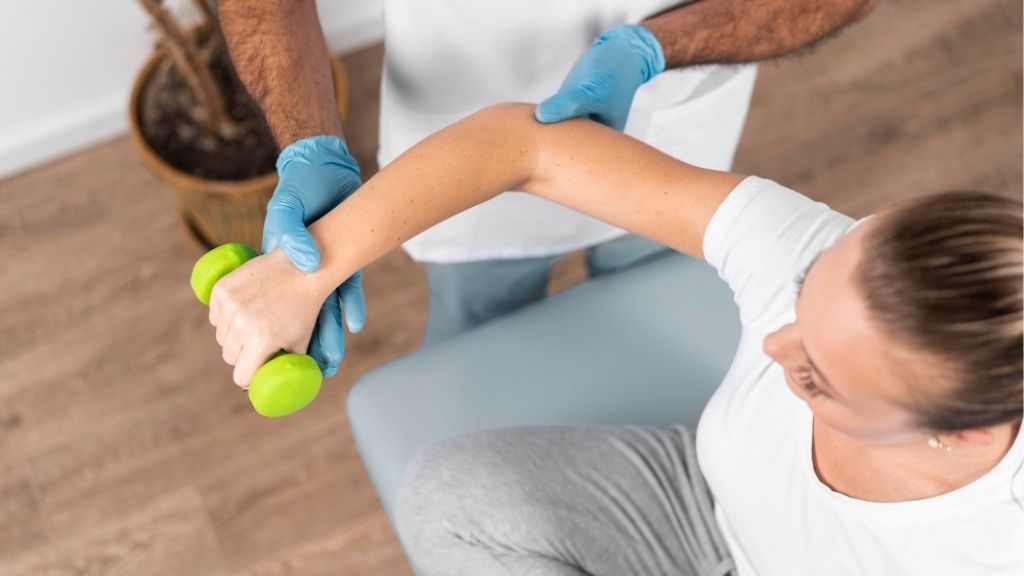
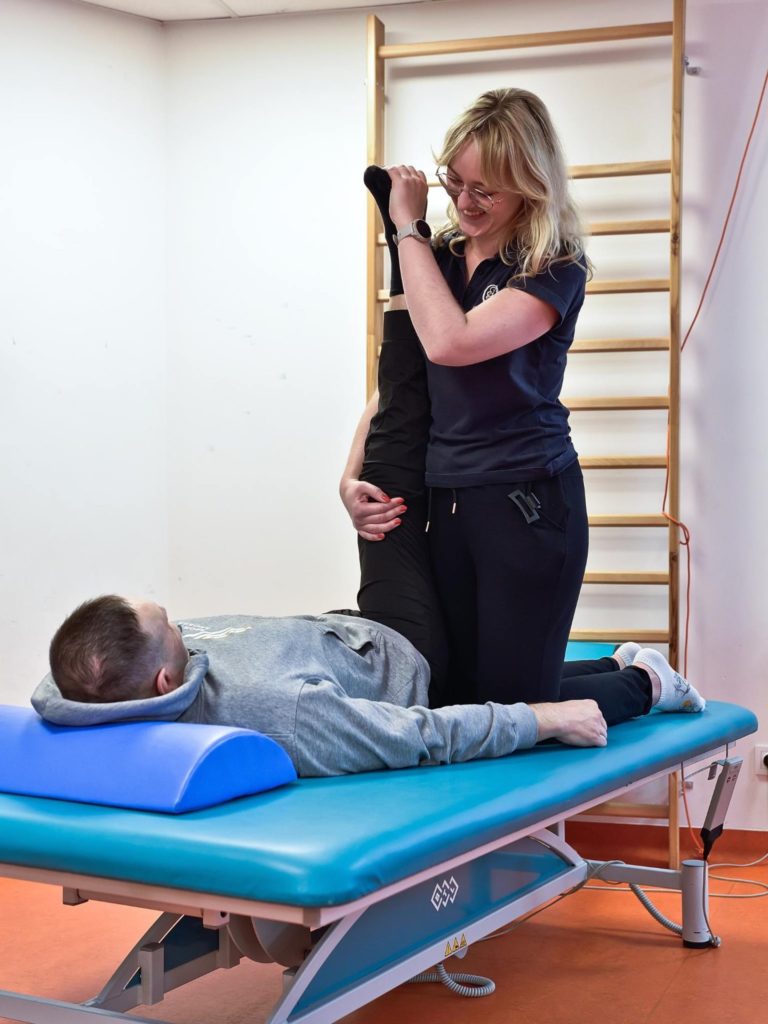
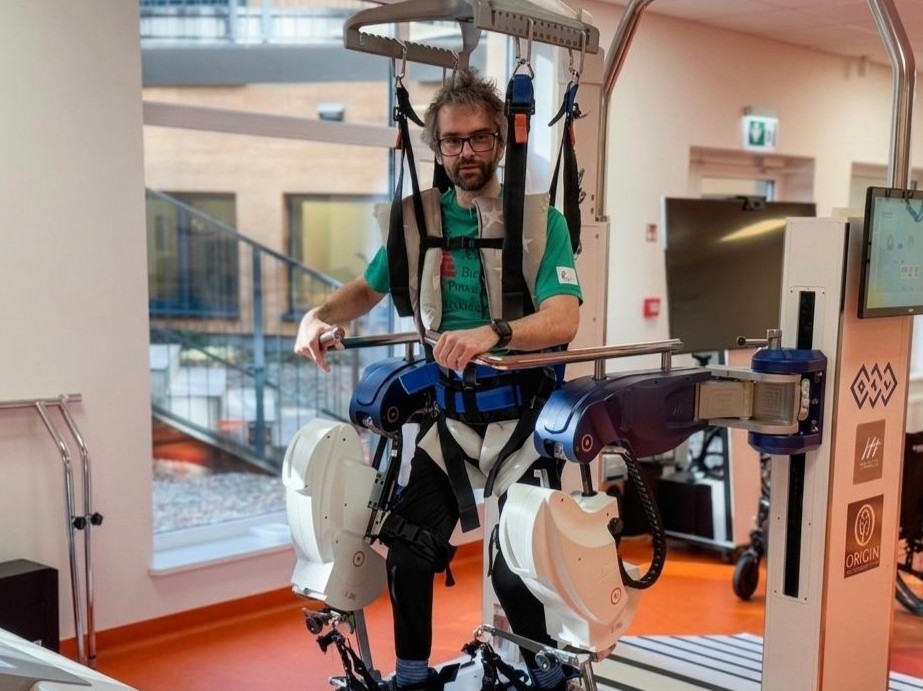
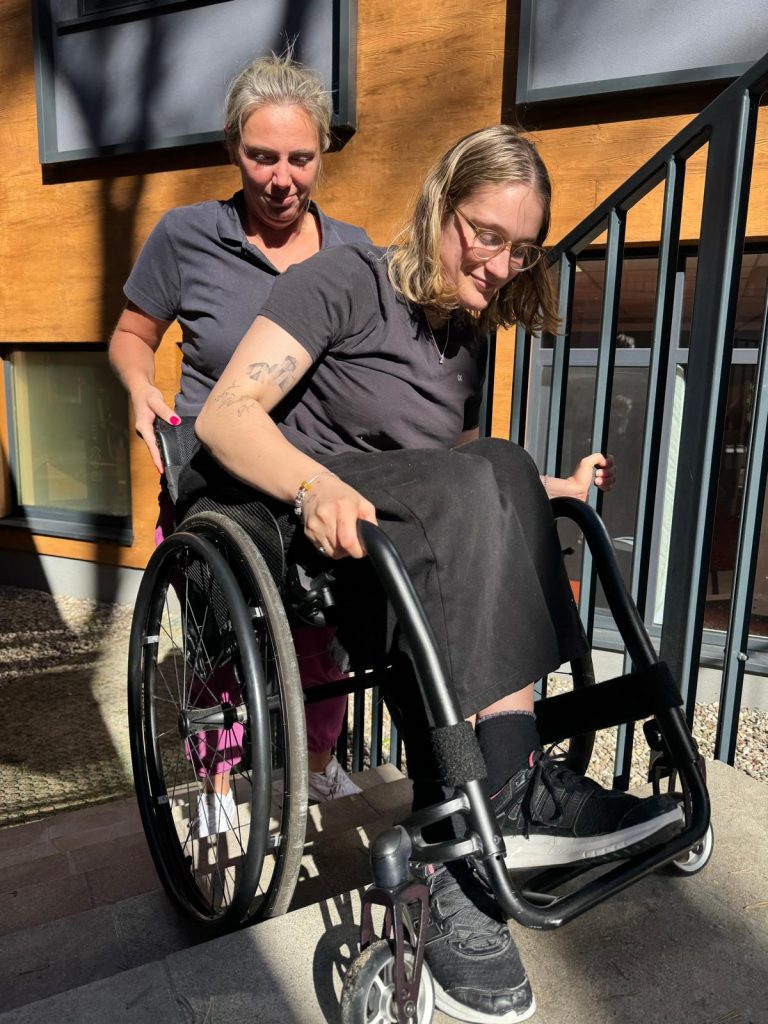
Based on this, we draw up an individual plan. Physiotherapy includes, among other things, PNF neurophysiological methods, SIS electromagnetic stimulation and strengthening of the postural muscles. Patients practise transfers to the wheelchair from different heights, balance in the wheelchair and wheeling over uneven ground. In Otwock we use forest paths for this, and in Kraków the avenues of the neighbouring park. Robotic gait training serves as a form of active verticalisation, and at Origin Centre Kraków we also use an exoskeleton. We describe the equipment in detail on the page about the equipment and robotics at our centres.
Rehabilitation is led by a team of physiotherapists, occupational therapists, neurologopedists, psychologists and nursing and care staff. When needed, we also work with neurologists, urologists and orthopaedic specialists. For people who are unsure what they can realistically expect, we offer a rehabilitation potential consultation. During this meeting, our specialists assess the patient’s condition and agree achievable goals together with them.
Frequently asked questions
When should rehabilitation start after a spinal cord injury?
The attending doctor decides when rehabilitation begins, usually as soon as the patient’s condition has stabilised. Early intervention helps prevent joint contractures, loss of muscle strength and a decline in bone density. It also supports respiratory and digestive function.
Does rehabilitation make sense several years after a spinal cord injury?
Much depends on the current neurological status and the goals the patient sets. Even years later, independence can sometimes improve, for example in transfers or wheelchair use. Realistic possibilities are best determined through an individual assessment by a team of specialists.
What is the difference between tetraplegia and paraplegia after a spinal cord injury?
Tetraplegia means paralysis of all four limbs and is usually associated with a cervical injury. Paraplegia affects the lower limbs and part of the trunk and results from damage to lower sections of the spinal cord. The extent of paralysis directly shapes the rehabilitation plan.
What is self-catheterisation and who can learn it?
Self-catheterisation means regularly emptying the bladder independently using a catheter. It reduces the risk of urinary tract infections and kidney damage and makes an active life easier, without the fear of leakage. People with functional hands can learn it under the guidance of nursing staff.
Does a person with a spinal cord injury receive round-the-clock care at a rehabilitation centre?
At Origin centres, we provide 24-hour nursing and care support tailored to each patient’s needs. It also includes specialist care, such as treating pressure ulcers with VAC therapy and tracheostomy care. Our staff monitor the patient’s condition and work to prevent complications.
Editorial note: the figures on the number of cases in Poland (more than 800 per year) and the share of causes (55, 33 and 10 percent) come from the client’s website, which gives no source for them. For YMYL content, it’s worth asking the client for the publication or study behind them and adding an external link.
The first internal link now points to the English version of the programme page. For the three other internal links I couldn’t confirm English URLs, so they still lead to the Polish pages. Swap them for the EN equivalents before publishing.