Neuropathy is not a single condition but a group of disorders of the peripheral nerves. Two patients can carry the same label on paper, yet need very different therapy. This is why identifying the exact form of neuropathy comes before any rehabilitation plan.
What you’ll learn from this article
- How the type of neuropathy influences the whole treatment plan
- Which classifications doctors use and what each one tells them
- Why an accurate diagnosis changes the choice of rehabilitation methods
- How therapy is matched to the underlying cause of nerve damage
The type of neuropathy matters because each form damages nerves differently and causes different symptoms. When we know which nerves are affected and why, we can match therapy to the real problem. An accurate classification turns a general diagnosis into a specific rehabilitation plan.
How the type of neuropathy shapes the treatment plan
Every therapy starts with two questions: which nerves are damaged, and why. A neuropathy linked to diabetes calls for a different response than one caused by a trapped nerve. The cause and the pattern of damage decide which methods help and which have no effect. When the type is unclear, therapy turns into guesswork, and the patient loses time that matters for recovery.
Classification by nerve involvement, duration and cause
Doctors sort neuropathies along three main lines, and each line adds a piece of the picture. The first looks at how many nerves are involved. The second looks at how quickly symptoms appeared. The third looks at what triggered the damage in the first place.
Together, these three axes describe both the extent and the origin of the nerve damage. The table below shows how each grouping guides the therapist.
| Classification basis | Main forms | What it tells the therapist |
|---|---|---|
| Nerve involvement | Mononeuropathy, multiple mononeuropathy, polyneuropathy | How widespread the nerve damage is |
| Duration | Acute, subacute, chronic | How fast symptoms appeared and how they may progress |
| Cause | Congenital, infectious, drug-induced, entrapment | What triggered the damage and whether it can be removed |
Why an accurate diagnosis changes rehabilitation choices
The same symptom can come from very different causes. Numbness in the hand may point to carpal tunnel syndrome, a classic mononeuropathy, or to a wider polyneuropathy. The right diagnosis decides whether we focus on one compressed nerve or on a broader pattern of damage. For a compressed nerve, we may work on local mobility and posture. For widespread damage, we build a plan around balance, strength and sensation across the body.
Symptoms that point toward a specific form of neuropathy
Neuropathy shows itself through pain, tingling, numbness and muscle weakness. Problems with balance and coordination often appear as well. The pattern of these signs helps narrow down the form. A symptom that develops over a few days suggests an acute neuropathy. One that builds over months points to a chronic form. Reading the symptoms in context is part of how we plan therapy for each patient. You can see the full scope of this work on our neuropathy rehabilitation programme page.
Matching therapy to the underlying cause of nerve damage
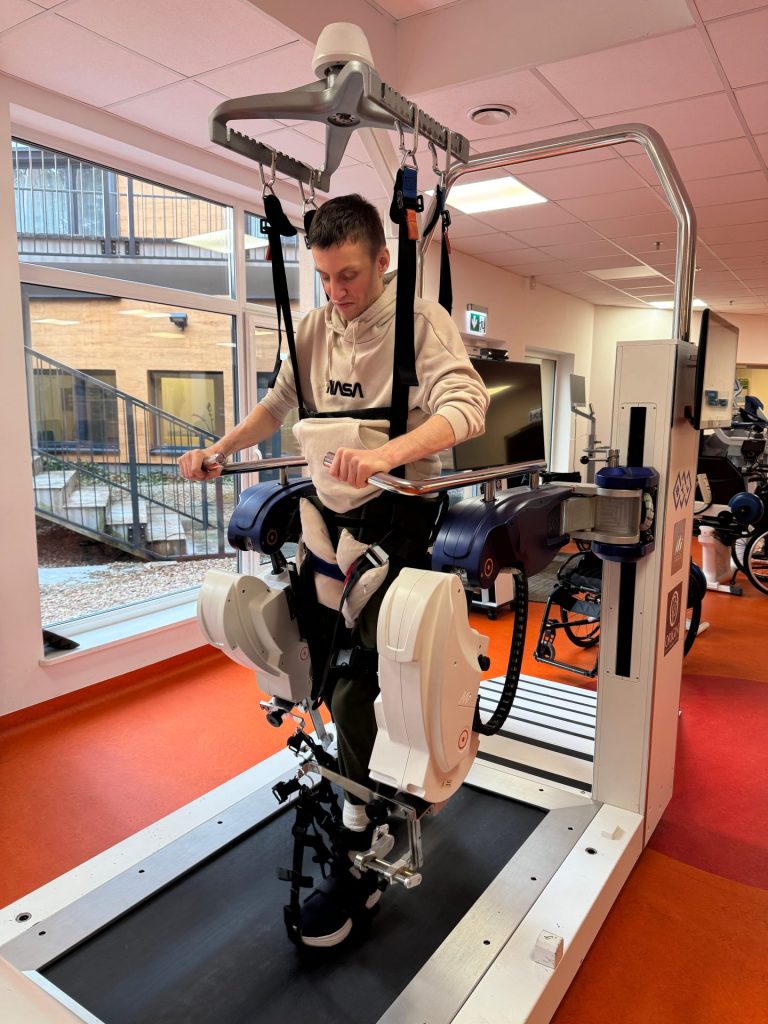
Once the type is clear, we choose methods that fit the cause. Managing neuropathy usually needs a multidisciplinary approach, combining physiotherapy, occupational therapy and psychological support. Physiotherapy works on strength, coordination and sensation, while occupational therapy focuses on daily tasks and independence. For patients who are unsure how much progress is realistic, our consultation on rehabilitation capacity helps set honest, individual goals. Rehabilitation cannot promise a full return to health, but it can reduce symptoms and support daily function.
Frequently asked questions
What are the main types of neuropathy?
Neuropathy is usually grouped by how many nerves are affected, how fast it develops and what causes it. The main forms by nerve involvement are mononeuropathy, multiple mononeuropathy and polyneuropathy. Each form behaves differently and needs its own approach.
How do doctors decide which type of neuropathy someone has?
Doctors combine the medical history, a physical examination and tests of nerve function. They look at which nerves are involved and how the symptoms developed over time. This picture points them toward the specific form.
Does the type of neuropathy affect how long rehabilitation takes?
Yes, the form and cause both influence the pace of therapy. An acute neuropathy may improve faster than a chronic one that has built up over years. We set the timeline to each patient rather than to a fixed schedule.
Can rehabilitation help with every type of neuropathy?
Rehabilitation can support most forms of neuropathy, though the goals differ from case to case. For some patients it reduces pain and improves movement, while for others it helps maintain the function they still have. The realistic aim depends on the cause and the stage of the condition.
Why does the cause of neuropathy matter for treatment?
The cause often decides whether the damage can be slowed, stopped or partly reversed. A drug-induced neuropathy may ease once the medication changes, while a genetic form needs long-term support. Knowing the cause lets us set the right expectations and methods.