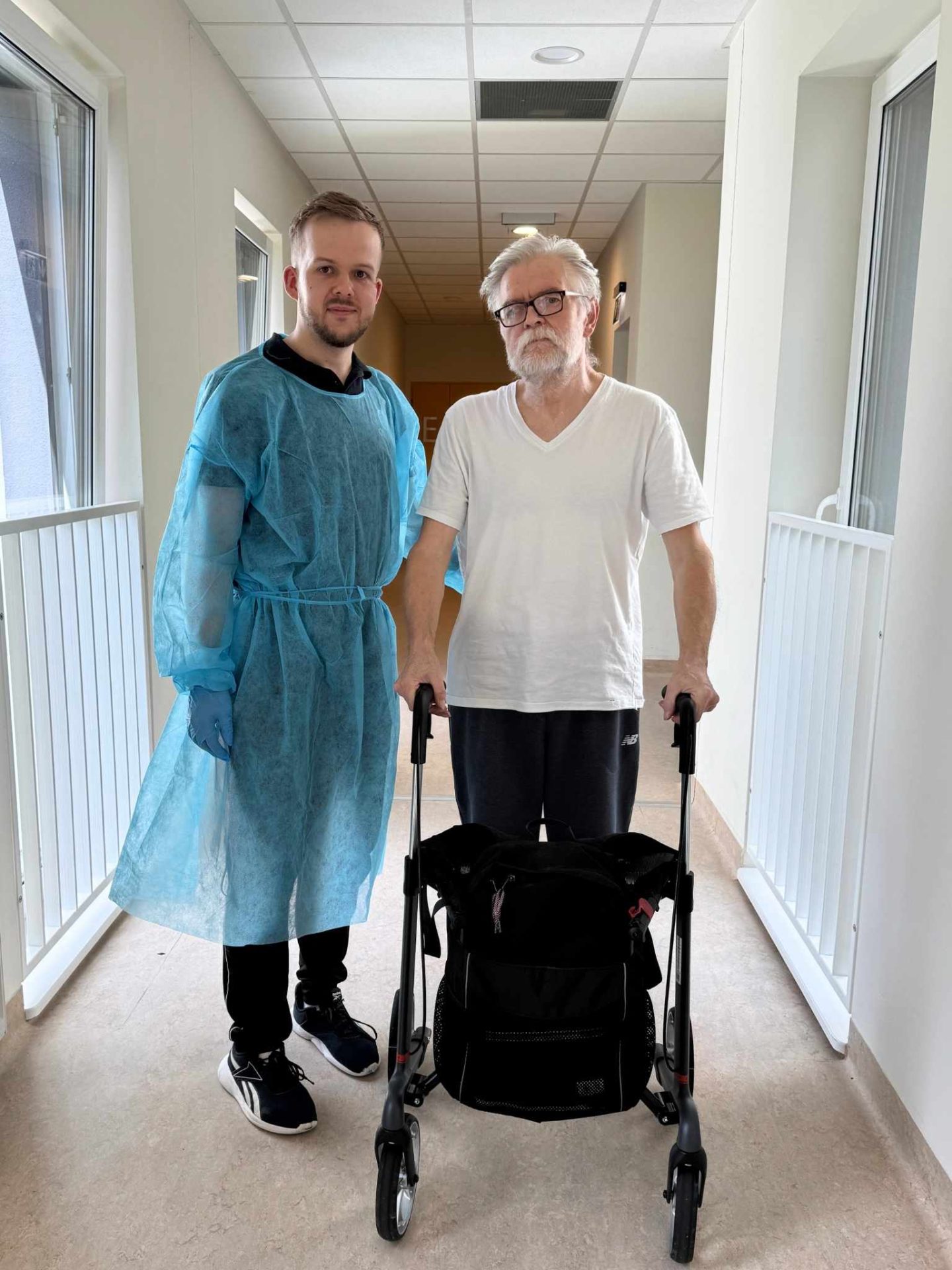
Parkinson's disease – specialised rehabilitation

Parkinson’s disease is a type of neurodegenerative condition.  Although Parkinson’s cannot be cured, rehabilitation can make a real difference by slowing its progression, easing symptoms, and enhancing quality of life. At Origin centres, we provide tailored rehabilitation programmes designed to help people manage their symptoms and maintain independence for as long as possible.

Parkinson's disease rehabilitation

Do you have questions about our sessions? Are you interested in a specific treatment package?

Use our contact form.

Ask for an Offer

Parkinson's disease rehabilitation

Do you have questions about our sessions? Are you interested in a specific treatment package?

Use our contact form.

Ask for an Offer

Parkinson’s disease symptoms – how do they affect daily life?

Parkinson’s disease is a progressive condition of the nervous system that primarily affects movement. While its exact cause is still not fully understood, we do know that it involves damage to nerve cells in the substantia nigra – the part of the brain responsible for producing dopamine. This loss of dopamine plays a key role in the development of the disease.

In its early stages, it can be hard for a person to recognise that anything is wrong – for example, a slight tremor in one hand may be dismissed as unimportant. Over time, however, the symptoms become more noticeable and can start to affect everyday activities. While tremor is the best-known sign, Parkinson’s disease also causes muscle stiffness and a slowing down of movement, which can make even simple tasks more challenging.

Early symptoms of Parkinson's disease

Early symptoms of Parkinson's disease

Early symptoms of Parkinson's disease

Spotting the signs of Parkinson’s disease at an early stage is important, as timely intervention can help slow its progression and improve comfort. From clinical experience, certain symptoms have been recognised as possible early indicators. These may include:

  • a reduced sense of smell,
  • low mood or depression,
  • constipation,
  • sleep disturbances such as unusual movements during sleep,
  • changes in handwriting, with letters becoming smaller as they write (a feature known as micrographia),
  • a loss of arm swing on one side while walking,
  • a tremor in one arm when yawning,
  • shoulder pain,
  • a tendency to trip over small obstacles and fall behind when walking with others.

It is important to remember that these symptoms do not always mean Parkinson’s disease will develop. However, if they occur, it is worth making a note of them and discussing them with your doctor.

Main symptoms of Parkinson's disease

Parkinson’s disease can affect people in different ways, and symptoms may vary from person to person. However, some of the most common and recognisable symptoms include:

  • Tremor (shaking)

    usually begins when the affected limb is at rest, most often in the hand or fingers. A common sign is a rhythmic movement of the thumb and forefinger, known as a “pill-rolling” tremor. This tremor typically occurs when the hand is relaxed;

  • Slowness of movement (bradykinesia)

    everyday activities can take longer and feel more effortful. Walking may involve shorter steps, dragging of the feet, or difficulty starting to move. Getting up from a chair can also become more challenging.

  • Muscle stiffness (rigidity)

    stiffness can affect any part of the body, limiting movement and sometimes causing discomfort or pain.

  • Impaired balance and posture

    later in the illness, poor balance can increase the risk of falls. Posture may also become stooped.

  • Reduced automatic movements

    actions we usually do without thinking, such as blinking, smiling, or swinging the arms while walking, may become less frequent.

  • Changes in speech

    speech may become softer, faster, less clear, or more monotone, with fewer natural variations in tone. Some people may hesitate or struggle to find words.

  • Changes in handwriting

    handwriting can become smaller and more cramped (a symptom known as micrographia).

Main symptoms of Parkinson's disease Main symptoms of Parkinson's disease
Main symptoms of Parkinson's disease

How does Parkinson's disease progress?

Parkinson’s disease is a long-term condition that gradually worsens over time. In the early stages, medicines known as dopaminergic drugs can be highly effective. These treatments help replace the brain’s reduced supply of dopamine, often bringing significant relief. Many people feel better, regain independence, and are able to continue their usual daily activities.

As the disease advances, the nerve cells that produce dopamine become more damaged, and the medicines may not work as consistently. People may then experience periods when the effect of the medication wears off and symptoms return.

Doctors often describe two main phases:

  • “on” phase – the period when medication is working well, symptoms are under control, and movement feels easier;
  • “off” phase – the period when medication is wearing off and symptoms such as stiffness, slowness, or tremor reappear.

These phases can occur several times a day, which can be both frustrating and exhausting. Some people also develop a symptom known as “freezing” – a sudden, temporary inability to move, often while walking. This can be distressing and may increase the risk of falls.

It is important to remember that Parkinson’s disease is not the end of an active life. With the right treatment, rehabilitation, and support, many people continue to enjoy fulfilling and rewarding lives. At our care centres, we provide comprehensive support for people living with Parkinson’s disease – helping to manage symptoms, improve mobility, and maintain quality of life at every stage of the condition.

It is also important to remember that, unfortunately, as Parkinson’s disease progresses, its symptoms may change and become more pronounced over time.

Fizjoterapia w chorobie Parkinsona

Ask for an offer

Learn how to achieve the best possible quality of life with Parkinson's disease.

Use our contact form

Ask for an Offer

Treatment of Parkinson's disease

Parkinson’s disease is a long-term, progressive condition, which means there is currently no cure. However, a range of treatments can help control symptoms and improve quality of life. Effective care is most successful when it is comprehensive, combining medication, rehabilitation, and psychological support.

Pharmacological treatment

Medications for Parkinson’s disease aim to manage symptoms by improving the brain’s use of dopamine or reducing its breakdown. The main groups include:

  • dopaminergic drugs,
  • MAO-B and COMT inhibitors,
  • dopamine agonists,
  • anticholinergic drugs.

Pharmacological treatment

Surgical Treatment

In some cases, surgery may be considered when medication is no longer sufficiently effective:

  • Deep Brain Stimulation (DBS) – electrical impulses are delivered to specific areas of the brain to improve movement control;
  • Lesion surgery – targeted removal or destruction of tiny areas in the brain linked to movement symptoms.

Surgical Treatment

Rehabilitation

Specialist therapies play a key role in maintaining mobility, independence, and quality of life:

  • physiotherapy: exercises help improve motor skills, balance and prevent muscle stiffness;
  • speech and swallowing therapy helps with articulation, speech clarity, and swallowing difficulties, which are common in Parkinson’s disease;
  • occupational therapy supports patients in adapting daily activities, using aids, and developing strategies to manage a progressive condition.

Rehabilitation

Mental and social support

Living with Parkinson’s disease can affect not only physical health but also emotional wellbeing. For this reason, psychological and social support are an important part of treatment

Psychotherapy – provides emotional support for people who may experience depression, anxiety, or mood changes related to their condition.

Support groups – meeting others who are living with Parkinson’s, as well as their families, can offer encouragement, practical advice, and a sense of community.

Mental and social support

Pharmacological treatment

Medications for Parkinson’s disease aim to manage symptoms by improving the brain’s use of dopamine or reducing its breakdown. The main groups include:

  • dopaminergic drugs,
  • MAO-B and COMT inhibitors,
  • dopamine agonists,
  • anticholinergic drugs.

Pharmacological treatment

Surgical Treatment

In some cases, surgery may be considered when medication is no longer sufficiently effective:

  • Deep Brain Stimulation (DBS) – electrical impulses are delivered to specific areas of the brain to improve movement control;
  • Lesion surgery – targeted removal or destruction of tiny areas in the brain linked to movement symptoms.

Surgical Treatment

Rehabilitation

Specialist therapies play a key role in maintaining mobility, independence, and quality of life:

  • physiotherapy: exercises help improve motor skills, balance and prevent muscle stiffness;
  • speech and swallowing therapy helps with articulation, speech clarity, and swallowing difficulties, which are common in Parkinson’s disease;
  • occupational therapy supports patients in adapting daily activities, using aids, and developing strategies to manage a progressive condition.

Rehabilitation

Mental and social support

Living with Parkinson’s disease can affect not only physical health but also emotional wellbeing. For this reason, psychological and social support are an important part of treatment

Psychotherapy – provides emotional support for people who may experience depression, anxiety, or mood changes related to their condition.

Support groups – meeting others who are living with Parkinson’s, as well as their families, can offer encouragement, practical advice, and a sense of community.

Mental and social support

Why rehabilitation is essential

At our centres, rehabilitation is a key part of our approach to Parkinson’s care. We focus on therapies that help maintain mobility, independence, and quality of life:

  • Physiotherapy:

    targeted exercises to improve movement, balance, and flexibility, and to help prevent muscle stiffness;

  • Neurological (speech and swallowing) therapy:

    supports clear speech and safe swallowing, as many people with Parkinson’s experience articulation problems that can affect communication and eating;

  • Neuropsychological therapy:

    combines diagnosis, treatment, and counselling; It assesses cognitive abilities such as attention, memory, and problem-solving, and provides strategies for managing emotional and behavioural change;

  • Occupational therapy:

    helps people adapt their daily routines, use assistive devices if needed, and cope with the challenges of a progressive condition.

Who is our Parkinson's disease rehabilitation programme for?

The Parkinson’s disease rehabilitation programme at the Origin Centre is designed for people who:

  • are living with Parkinson’s disease at any stage – from the earliest symptoms to advanced stages;

  • wish to improve mobility, coordination, and balance;

  • need support in managing daily challenges such as walking, speaking, or carrying out everyday tasks;

  • are seeking comprehensive care combined with psychological support;

  • want to maintain independence and remain active in their community;

  • require rehabilitation following a hospital stay to continue their recovery;

  • are looking for guidance and support for their family or carers.

  • Learn about the goals of physiotherapy in Parkinson's disease
  • What equipment do we use in physiotherapy?
  • Exercises for people with Parkinson's disease
  • Speech therapy in Parkinson's disease
  • Methods used by speech and language therapists at Origin
  • Neuropsychological therapy in Parkinson's disease
  • Occupational therapy in Parkinson's disease

In our physiotherapy program we define specific goals:

  • Improving mobility

    rehabilitation helps to maintain and improve range of movement, enabling the patient to move independently;

  • Reducing muscle stiffness and spasticity

    through stretching exercises and relaxation techniques, physiotherapy helps to reduce muscle tension;

  • Reducing pain

    increased muscle stiffness can contribute to increased pain; exercises aimed at muscle relaxation help to reduce this pain;

  • Improving balance and coordination

    balance exercises, stabilisation and coordination exercises help to avoid falls, which are a common problem in patients with Parkinson's disease;

  • Supporting respiratory function

    breathing techniques help to improve respiratory capacity and improve breathing;

  • Increasing physical fitness

    by exercising regularly, patients can increase their muscle strength and overall fitness, which reduces fatigue;

  • Increased independence

    rehabilitation helps patients to cope with daily activities such as walking, standing up, sitting, dressing or eating;

  • Psychological support

    physiotherapy also has a positive impact on the patient's mood, helping to combat the depression and anxiety that often accompany illness.

In physiotherapy for people with Parkinson’s disease, we use a variety of specialised equipment to support rehabilitation and help relieve symptoms. The most commonly used includes:

  • electrotherapy – uses mild electrical currents to stimulate muscles, improve circulation, and reduce pain. Examples include TENS (transcutaneous electrical nerve stimulation) and EMS (electrical muscle stimulation);
  • magnet therapy – applies controlled magnetic fields to help reduce pain and support tissue healing;
  • hydrotherapy – water-based therapy to aid rehabilitation of the muscles and joints;
  • light therapy (laser therapy) – supports tissue regeneration and helps reduce pain and inflammation;
  • virtual reality (VR) – an increasingly popular tool for improving movement coordination and balance. We use interactive games and simulations to encourage physical activity in an engaging way.

What do exercises dedicated to people with Parkinson's disease look like?

Exercise is a vital part of therapy for people living with Parkinson’s disease. At the Origin Centres, all exercises are tailored to each person’s needs, abilities, and stage of the condition, taking into account the symptoms they experience.

Some of the most common types of exercises include:

  • physical exercises – strength, stretching, and coordination activities, often using equipment such as resistance bands, gym balls, or light dumbbells;
  • manual techniques – massage, manual therapy, and relaxation methods to help ease muscle tension;
  • gait training – teaching safe and efficient walking techniques to reduce the risk of falls; special orthopaedic supports, such as braces or crutches, may be used when needed;
  • balance and coordination training – exercises to improve posture, stability, and control, helping to prevent falls.

Speech therapy in Parkinson's disease

Parkinson’s disease can affect the muscles involved in speaking and swallowing, making it important to maintain clear articulation and safe, efficient swallowing. As part of the rehabilitation programme at the Origin Centres, speech therapy helps patients manage these symptoms. This not only improves communication and eating safety but also supports independence in everyday life, contributing to a better overall quality of life.

At the Origin Centres, our speech therapists focus on the following key areas:

  • Speech and articulation:

    Speech disorders: People with Parkinson’s often experience speech changes such as slower pace, reduced volume, unclear pronunciation, or difficulty maintaining fluency. Therapy aims to improve clarity, volume, and flow of speech using breathing exercises, vocal strengthening techniques, and articulation drills. Dysarthria – a common condition in Parkinson’s affecting articulation – is addressed through targeted exercises to enhance speech quality.

  • Voice problems:

    Parkinson’s can cause a weak or monotone voice, making communication harder. Our therapists teach techniques to strengthen the voice, improve breath control, and add natural variation in pitch and tone for clearer, more engaging speech.

  • Breathing training:

    Difficulties in controlling breathing can affect speech quality. Targeted exercises help improve breath support and control, leading to clearer speech and greater lung capacity.

  • Swallowing difficulties (dysphagia):

    Dysphagia is common in Parkinson’s and may cause problems with eating, drinking, and an increased risk of choking. Speech therapists assess and treat swallowing disorders, teaching safe swallowing techniques, advising on body positioning, and suggesting dietary modifications. Therapy may also focus on improving oral motor skills to make chewing and swallowing easier.

  • Improving communication strategies:

    A speech therapist can teach patients practical strategies to manage communication difficulties caused by Parkinson’s disease. This may involve learning to pace speech with pauses, pronounce words more clearly, and control speaking speed.

  • Alternative communication training:

    In advanced stages of Parkinson’s disease, when speech difficulties become severe, a speech therapist may recommend alternative communication methods. These can include assistive speech devices or communication systems, such as mobile phone or computer applications, which enable the patient to continue expressing themselves and interacting with others.

Methods used by speech and language therapists at Origin

  • Breathing exercises:

    to improve breath control and support more effective speech.

  • Phonation exercises:

    to enhance voice quality, strength, and projection.

  • Articulation training:

    exercises to improve the clarity and precision of speech.

  • Swallowing techniques:

    strategies to make swallowing safer and more comfortable, such as adjusting body position while eating.

  • Relaxation techniques:

    to reduce muscle tension that can interfere with speech and swallowing.

At the Origin Centres, speech and language therapists play a vital role in supporting people with Parkinson’s disease. Their work helps patients maintain communication skills and improve both speech and swallowing, contributing to greater independence and quality of life.

Neuropsychological therapy in Parkinson's disease

Parkinson’s disease affects not only movement but also a person’s cognitive, emotional, and behavioural functions. The changes in the brain that occur with the condition can lead to a range of neuropsychological difficulties, including:

  • memory problems,
  • reduced attention span,
  • impaired executive functions (such as planning and problem-solving),
  • personality changes.

At the Origin Centres, our neuropsychologists assess these challenges and provide targeted interventions to help patients manage their symptoms and function more effectively in daily life.

This is how a neuropsychologist supports people with Parkinson’s disease:

  1. Assessment of cognitive function
    • Diagnosis of cognitive changes: the neuropsychologist conducts a detailed evaluation of abilities such as memory, attention, abstract thinking, and executive functions (planning, organising, and problem-solving). In Parkinson’s disease, difficulties may include reduced concentration, forgetfulness, and challenges with decision-making.
    • Neuropsychological testing: standardised tests are used to measure specific aspects of thinking and memory. The results help determine the patient’s cognitive strengths and difficulties, allowing therapy to be tailored to their individual needs.
  2. Therapy of executive function difficulties:
    • Support with planning, organisation, and task control: difficulties in these areas are common in people with Parkinson’s disease. The neuropsychologist works with the patient to develop practical strategies for planning, decision-making, problem-solving, and managing daily activities.
    • Executive skills training – through targeted cognitive exercises, patients can strengthen abilities such as concentration, mental flexibility, and organisational skills, helping them to cope more effectively with everyday challenges.
  3. Memory rehabilitation:
    • Addressing short- and long-term memory problems: Parkinson’s disease can make it harder to remember new information, which can affect daily life. The neuropsychologist helps patients improve memory through techniques such as working memory exercises, mnemonic strategies, and methods for encoding information more effectively.
    • Memory training: the therapy includes exercises designed to strengthen the ability to store, recall, and apply information in everyday situations.
  4. Support for attention and concentration difficulties:
    • Managing concentration problems: many people with Parkinson’s disease experience reduced attention span or become easily distracted. The neuropsychologist teaches practical strategies to improve focus, such as breaking tasks into smaller steps, using reminders, and creating a structured daily routine.
    • Attention training: specialised exercises help strengthen the ability to concentrate on activities that require sustained attention and mental focus.
  5. Managing emotional difficulties:
    • Emotional challenges: Parkinson’s disease can bring feelings of anxiety, depression, frustration, or sadness, often linked to the progression of symptoms and changes in lifestyle. The neuropsychologist provides support to help patients cope with these emotions more effectively.
    • Emotion regulation strategies: techniques such as breathing exercises, relaxation methods, and stress management training are used to help patients manage emotional responses and maintain a more positive outlook.
  6. Assessment and support for personality and behavioural changes:
    • Personality changes: Parkinson’s disease can sometimes cause shifts in personality, such as apathy, reduced initiative, impulsivity, or mood swings. The neuropsychologist works with patients to help them adapt to these changes and supports them in maintaining healthy relationships.
    • Managing impulsive behaviour: for those experiencing impulsivity, the neuropsychologist helps identify these behaviours and develop strategies to improve self-control and decision-making.
  7. Support in adapting to lifestyle changes:
    • Managing daily life: the neuropsychologist helps patients adjust to the changes brought about by Parkinson’s disease, offering guidance on organising daily routines to suit reduced physical and cognitive abilities.
    • Promoting independence: patients learn strategies for managing everyday tasks on their own, such as planning activities, adapting their home environment, and scheduling time for rest and recovery.
  8. Supporting the patient’s family:
    • Helping families understand cognitive and emotional changes: the neuropsychologist provides guidance to help relatives better understand the changes in the patient’s thinking, emotions, and behaviour, and how best to offer support.
    • Counselling and education: educational sessions can help families recognise the signs of cognitive and emotional difficulties, and give them practical strategies for responding effectively in challenging situations.

The neuropsychologist’s work allows the patient to better cope with the challenges of daily life, improves independence and quality of life, and helps the family to understand the specifics of the disease and provide support.

Occupational therapy in Parkinson's disease

At the Origin Centres, we place strong emphasis on helping people with Parkinson’s disease maintain their ability to carry out daily activities, even as the condition progresses. The goal of occupational therapy is to preserve as much independence and quality of life as possible, despite challenges caused by physical, cognitive, or emotional changes.

Our occupational therapists use a wide range of techniques to help patients adapt to their evolving needs and overcome difficulties in managing everyday tasks and responsibilities.

The main areas in which occupational therapy helps a patient with Parkinson's disease:

  • Support with Activities of Daily Living (ADL):

    Assistance with essential daily tasks – occupational therapy focuses on helping patients carry out basic self-care activities such as dressing, personal hygiene, eating, using the toilet, and moving safely around the home. In Parkinson’s disease, these tasks can become more challenging due to tremors, muscle stiffness, balance problems, or slowed movements. Adapting to changing motor abilities – The occupational therapist teaches practical techniques to make daily activities easier, such as using specialised tools, adjusting dressing methods, or incorporating assistive equipment (e.g. bathroom grab rails, adapted cutlery).

  • Increasing independence:

    Adapting to daily challenges – a key aim of occupational therapy is to help patients remain as independent as possible for as long as possible. Therapists work with patients to develop new strategies for everyday tasks, adjust daily routines, and adapt the living environment to meet changing needs. Home modifications – advice may include removing hazards, installing grab rails, or using specially designed chairs and equipment. These changes can make moving around the home easier and help reduce the risk of falls.

  • Motor and coordination training:

    Improving movement and balance – occupational therapy often includes targeted exercises to enhance motor skills, increase range of movement, strengthen muscles, and improve balance. Fine motor exercises – activities are designed to refine hand and finger movements, which is especially important for tasks such as writing, using cutlery, or fastening buttons.

  • Supporting cognitive and emotional functions:

    Cognitive support – occupational therapy can include activities to maintain and strengthen skills such as memory, concentration, and planning. Since some people with Parkinson’s experience cognitive changes, therapy is tailored to help them organise their day, remember important tasks, and plan activities effectively.

  • Improving quality of life and activity:

    Engaging in enjoyable activities – occupational therapy encourages patients to continue activities that bring them satisfaction and promote wellbeing. This may include creative hobbies such as drawing, painting, sewing, gardening, or other pursuits that allow for self-expression and keep the mind active. Social participation – therapists support patients in maintaining social connections and joining group activities, which are vital for emotional and mental health.

  • Examples of techniques used by occupational therapists:

    Motor coordination exercises – activities such as handling objects or manipulating small items to improve precision and control. Adaptive technologies and aids – tools that make daily activities easier, including grab handles, specialised cutlery, clothing designed for easier dressing, and devices to assist with writing or reading. Educational programmes – guidance on safety, symptom management techniques, and practical tips for organising the day as effectively as possible.

Learn about the goals of physiotherapy in Parkinson's disease

In our physiotherapy program we define specific goals:

  • Improving mobility

    rehabilitation helps to maintain and improve range of movement, enabling the patient to move independently;

  • Reducing muscle stiffness and spasticity

    through stretching exercises and relaxation techniques, physiotherapy helps to reduce muscle tension;

  • Reducing pain

    increased muscle stiffness can contribute to increased pain; exercises aimed at muscle relaxation help to reduce this pain;

  • Improving balance and coordination

    balance exercises, stabilisation and coordination exercises help to avoid falls, which are a common problem in patients with Parkinson's disease;

  • Supporting respiratory function

    breathing techniques help to improve respiratory capacity and improve breathing;

  • Increasing physical fitness

    by exercising regularly, patients can increase their muscle strength and overall fitness, which reduces fatigue;

  • Increased independence

    rehabilitation helps patients to cope with daily activities such as walking, standing up, sitting, dressing or eating;

  • Psychological support

    physiotherapy also has a positive impact on the patient's mood, helping to combat the depression and anxiety that often accompany illness.

What equipment do we use in physiotherapy?

In physiotherapy for people with Parkinson’s disease, we use a variety of specialised equipment to support rehabilitation and help relieve symptoms. The most commonly used includes:

  • electrotherapy – uses mild electrical currents to stimulate muscles, improve circulation, and reduce pain. Examples include TENS (transcutaneous electrical nerve stimulation) and EMS (electrical muscle stimulation);
  • magnet therapy – applies controlled magnetic fields to help reduce pain and support tissue healing;
  • hydrotherapy – water-based therapy to aid rehabilitation of the muscles and joints;
  • light therapy (laser therapy) – supports tissue regeneration and helps reduce pain and inflammation;
  • virtual reality (VR) – an increasingly popular tool for improving movement coordination and balance. We use interactive games and simulations to encourage physical activity in an engaging way.
Exercises for people with Parkinson's disease

What do exercises dedicated to people with Parkinson's disease look like?

Exercise is a vital part of therapy for people living with Parkinson’s disease. At the Origin Centres, all exercises are tailored to each person’s needs, abilities, and stage of the condition, taking into account the symptoms they experience.

Some of the most common types of exercises include:

  • physical exercises – strength, stretching, and coordination activities, often using equipment such as resistance bands, gym balls, or light dumbbells;
  • manual techniques – massage, manual therapy, and relaxation methods to help ease muscle tension;
  • gait training – teaching safe and efficient walking techniques to reduce the risk of falls; special orthopaedic supports, such as braces or crutches, may be used when needed;
  • balance and coordination training – exercises to improve posture, stability, and control, helping to prevent falls.
Speech therapy in Parkinson's disease

Speech therapy in Parkinson's disease

Parkinson’s disease can affect the muscles involved in speaking and swallowing, making it important to maintain clear articulation and safe, efficient swallowing. As part of the rehabilitation programme at the Origin Centres, speech therapy helps patients manage these symptoms. This not only improves communication and eating safety but also supports independence in everyday life, contributing to a better overall quality of life.

At the Origin Centres, our speech therapists focus on the following key areas:

  • Speech and articulation:

    Speech disorders: People with Parkinson’s often experience speech changes such as slower pace, reduced volume, unclear pronunciation, or difficulty maintaining fluency. Therapy aims to improve clarity, volume, and flow of speech using breathing exercises, vocal strengthening techniques, and articulation drills. Dysarthria – a common condition in Parkinson’s affecting articulation – is addressed through targeted exercises to enhance speech quality.

  • Voice problems:

    Parkinson’s can cause a weak or monotone voice, making communication harder. Our therapists teach techniques to strengthen the voice, improve breath control, and add natural variation in pitch and tone for clearer, more engaging speech.

  • Breathing training:

    Difficulties in controlling breathing can affect speech quality. Targeted exercises help improve breath support and control, leading to clearer speech and greater lung capacity.

  • Swallowing difficulties (dysphagia):

    Dysphagia is common in Parkinson’s and may cause problems with eating, drinking, and an increased risk of choking. Speech therapists assess and treat swallowing disorders, teaching safe swallowing techniques, advising on body positioning, and suggesting dietary modifications. Therapy may also focus on improving oral motor skills to make chewing and swallowing easier.

  • Improving communication strategies:

    A speech therapist can teach patients practical strategies to manage communication difficulties caused by Parkinson’s disease. This may involve learning to pace speech with pauses, pronounce words more clearly, and control speaking speed.

  • Alternative communication training:

    In advanced stages of Parkinson’s disease, when speech difficulties become severe, a speech therapist may recommend alternative communication methods. These can include assistive speech devices or communication systems, such as mobile phone or computer applications, which enable the patient to continue expressing themselves and interacting with others.

Methods used by speech and language therapists at Origin

Methods used by speech and language therapists at Origin

  • Breathing exercises:

    to improve breath control and support more effective speech.

  • Phonation exercises:

    to enhance voice quality, strength, and projection.

  • Articulation training:

    exercises to improve the clarity and precision of speech.

  • Swallowing techniques:

    strategies to make swallowing safer and more comfortable, such as adjusting body position while eating.

  • Relaxation techniques:

    to reduce muscle tension that can interfere with speech and swallowing.

At the Origin Centres, speech and language therapists play a vital role in supporting people with Parkinson’s disease. Their work helps patients maintain communication skills and improve both speech and swallowing, contributing to greater independence and quality of life.

Neuropsychological therapy in Parkinson's disease

Neuropsychological therapy in Parkinson's disease

Parkinson’s disease affects not only movement but also a person’s cognitive, emotional, and behavioural functions. The changes in the brain that occur with the condition can lead to a range of neuropsychological difficulties, including:

  • memory problems,
  • reduced attention span,
  • impaired executive functions (such as planning and problem-solving),
  • personality changes.

At the Origin Centres, our neuropsychologists assess these challenges and provide targeted interventions to help patients manage their symptoms and function more effectively in daily life.

This is how a neuropsychologist supports people with Parkinson’s disease:

  1. Assessment of cognitive function
    • Diagnosis of cognitive changes: the neuropsychologist conducts a detailed evaluation of abilities such as memory, attention, abstract thinking, and executive functions (planning, organising, and problem-solving). In Parkinson’s disease, difficulties may include reduced concentration, forgetfulness, and challenges with decision-making.
    • Neuropsychological testing: standardised tests are used to measure specific aspects of thinking and memory. The results help determine the patient’s cognitive strengths and difficulties, allowing therapy to be tailored to their individual needs.
  2. Therapy of executive function difficulties:
    • Support with planning, organisation, and task control: difficulties in these areas are common in people with Parkinson’s disease. The neuropsychologist works with the patient to develop practical strategies for planning, decision-making, problem-solving, and managing daily activities.
    • Executive skills training – through targeted cognitive exercises, patients can strengthen abilities such as concentration, mental flexibility, and organisational skills, helping them to cope more effectively with everyday challenges.
  3. Memory rehabilitation:
    • Addressing short- and long-term memory problems: Parkinson’s disease can make it harder to remember new information, which can affect daily life. The neuropsychologist helps patients improve memory through techniques such as working memory exercises, mnemonic strategies, and methods for encoding information more effectively.
    • Memory training: the therapy includes exercises designed to strengthen the ability to store, recall, and apply information in everyday situations.
  4. Support for attention and concentration difficulties:
    • Managing concentration problems: many people with Parkinson’s disease experience reduced attention span or become easily distracted. The neuropsychologist teaches practical strategies to improve focus, such as breaking tasks into smaller steps, using reminders, and creating a structured daily routine.
    • Attention training: specialised exercises help strengthen the ability to concentrate on activities that require sustained attention and mental focus.
  5. Managing emotional difficulties:
    • Emotional challenges: Parkinson’s disease can bring feelings of anxiety, depression, frustration, or sadness, often linked to the progression of symptoms and changes in lifestyle. The neuropsychologist provides support to help patients cope with these emotions more effectively.
    • Emotion regulation strategies: techniques such as breathing exercises, relaxation methods, and stress management training are used to help patients manage emotional responses and maintain a more positive outlook.
  6. Assessment and support for personality and behavioural changes:
    • Personality changes: Parkinson’s disease can sometimes cause shifts in personality, such as apathy, reduced initiative, impulsivity, or mood swings. The neuropsychologist works with patients to help them adapt to these changes and supports them in maintaining healthy relationships.
    • Managing impulsive behaviour: for those experiencing impulsivity, the neuropsychologist helps identify these behaviours and develop strategies to improve self-control and decision-making.
  7. Support in adapting to lifestyle changes:
    • Managing daily life: the neuropsychologist helps patients adjust to the changes brought about by Parkinson’s disease, offering guidance on organising daily routines to suit reduced physical and cognitive abilities.
    • Promoting independence: patients learn strategies for managing everyday tasks on their own, such as planning activities, adapting their home environment, and scheduling time for rest and recovery.
  8. Supporting the patient’s family:
    • Helping families understand cognitive and emotional changes: the neuropsychologist provides guidance to help relatives better understand the changes in the patient’s thinking, emotions, and behaviour, and how best to offer support.
    • Counselling and education: educational sessions can help families recognise the signs of cognitive and emotional difficulties, and give them practical strategies for responding effectively in challenging situations.

The neuropsychologist’s work allows the patient to better cope with the challenges of daily life, improves independence and quality of life, and helps the family to understand the specifics of the disease and provide support.

Occupational therapy in Parkinson's disease

Occupational therapy in Parkinson's disease

At the Origin Centres, we place strong emphasis on helping people with Parkinson’s disease maintain their ability to carry out daily activities, even as the condition progresses. The goal of occupational therapy is to preserve as much independence and quality of life as possible, despite challenges caused by physical, cognitive, or emotional changes.

Our occupational therapists use a wide range of techniques to help patients adapt to their evolving needs and overcome difficulties in managing everyday tasks and responsibilities.

The main areas in which occupational therapy helps a patient with Parkinson's disease:

  • Support with Activities of Daily Living (ADL):

    Assistance with essential daily tasks – occupational therapy focuses on helping patients carry out basic self-care activities such as dressing, personal hygiene, eating, using the toilet, and moving safely around the home. In Parkinson’s disease, these tasks can become more challenging due to tremors, muscle stiffness, balance problems, or slowed movements. Adapting to changing motor abilities – The occupational therapist teaches practical techniques to make daily activities easier, such as using specialised tools, adjusting dressing methods, or incorporating assistive equipment (e.g. bathroom grab rails, adapted cutlery).

  • Increasing independence:

    Adapting to daily challenges – a key aim of occupational therapy is to help patients remain as independent as possible for as long as possible. Therapists work with patients to develop new strategies for everyday tasks, adjust daily routines, and adapt the living environment to meet changing needs. Home modifications – advice may include removing hazards, installing grab rails, or using specially designed chairs and equipment. These changes can make moving around the home easier and help reduce the risk of falls.

  • Motor and coordination training:

    Improving movement and balance – occupational therapy often includes targeted exercises to enhance motor skills, increase range of movement, strengthen muscles, and improve balance. Fine motor exercises – activities are designed to refine hand and finger movements, which is especially important for tasks such as writing, using cutlery, or fastening buttons.

  • Supporting cognitive and emotional functions:

    Cognitive support – occupational therapy can include activities to maintain and strengthen skills such as memory, concentration, and planning. Since some people with Parkinson’s experience cognitive changes, therapy is tailored to help them organise their day, remember important tasks, and plan activities effectively.

  • Improving quality of life and activity:

    Engaging in enjoyable activities – occupational therapy encourages patients to continue activities that bring them satisfaction and promote wellbeing. This may include creative hobbies such as drawing, painting, sewing, gardening, or other pursuits that allow for self-expression and keep the mind active. Social participation – therapists support patients in maintaining social connections and joining group activities, which are vital for emotional and mental health.

  • Examples of techniques used by occupational therapists:

    Motor coordination exercises – activities such as handling objects or manipulating small items to improve precision and control. Adaptive technologies and aids – tools that make daily activities easier, including grab handles, specialised cutlery, clothing designed for easier dressing, and devices to assist with writing or reading. Educational programmes – guidance on safety, symptom management techniques, and practical tips for organising the day as effectively as possible.

Nursing and care team

Nurses and caregivers play a vital role in the rehabilitation of people with Parkinson’s disease. They provide essential support, education, and monitoring, while also acting as a link between the patient and other members of the treatment team.


At the Origin Centres, we recognise that Parkinson’s disease is a complex condition requiring both physical and emotional care. Our nursing and care teams are dedicated to meeting these needs, ensuring patients feel supported, understood, and cared for throughout their rehabilitation journey.

Every patient deserves a personalised approach

By choosing the Origin Centre, you are choosing experience, professionalism, and compassionate care. We use state-of-the-art rehabilitation equipment and innovative therapy methods to achieve the best possible outcomes for our patients. Our team continually develops their skills to ensure you benefit from the latest advances in rehabilitation. Join the many patients who have already placed their trust in us, and discover how we can help you live more independently and with a better quality of life.

Consultation on rehabilitation capacity

Often, patients and their loved ones hear that there is no hope, that nothing more can be done for them. Many of them, after accidents or illnesses, feel alone and unsure about what comes next. We see the confusion in their eyes and the fear of the unknown.

That’s why we created a special consultation with our specialists, which is more than just an assessment of health. It is a thorough meeting aimed at determining the real potential for rehabilitation. It is a moment when we say:

We understand your situation. This is how we assess your potential.
We are here to help you realize it together.

Konsultacja Potencjału Rehabilitacyjnego