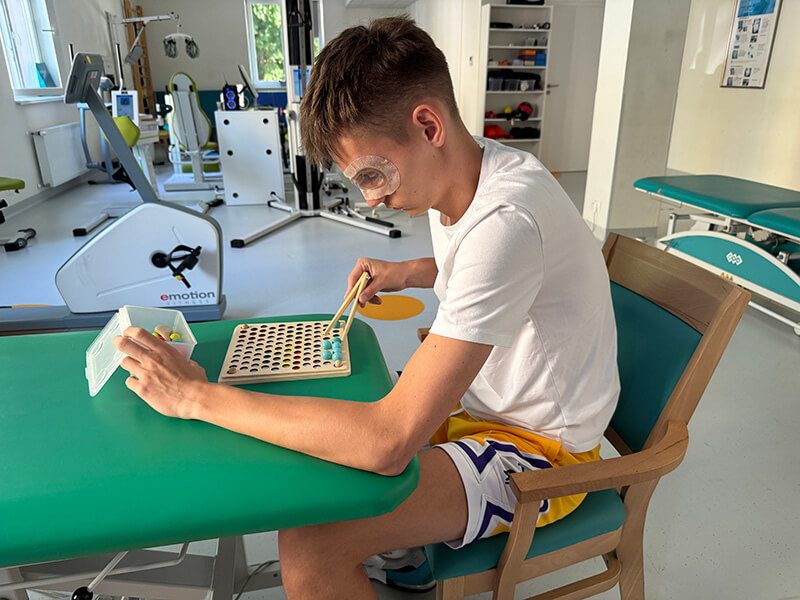
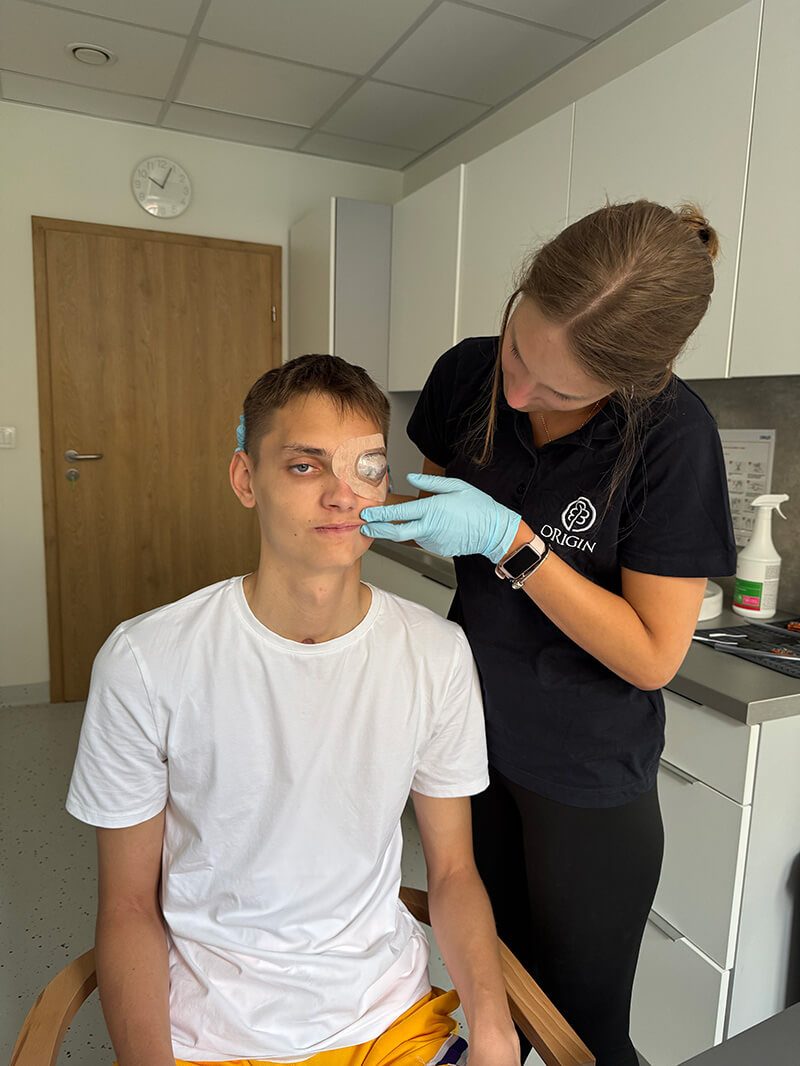
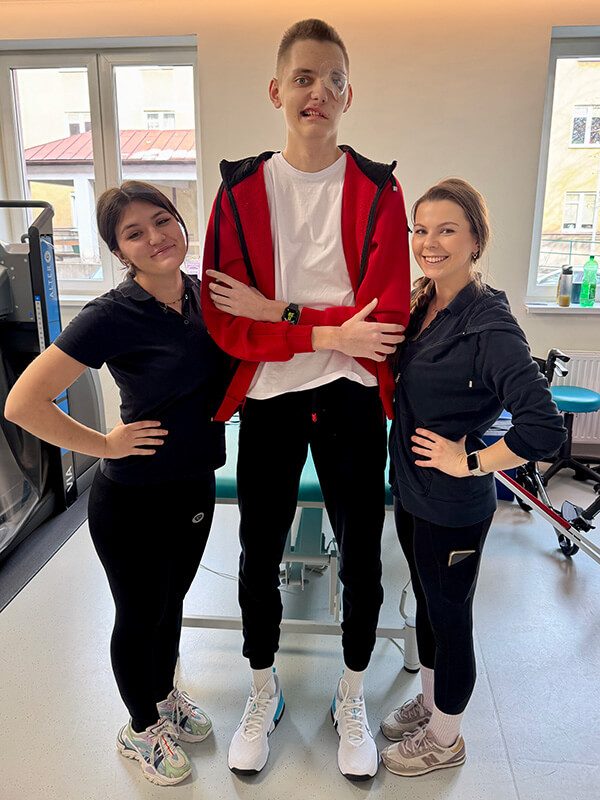
ONCOLOGY REHABILITATION PROGRAMME

Professional support during and after cancer treatment

Oncology rehabilitation at Origin centres is a comprehensive programme designed for patients currently undergoing active cancer treatment as well as those who have completed it. The programme aims to maintain the patient’s physical capacity, improve functional status, and restore the highest possible quality of life.

Regain your fitness after cancer

Learn how oncological rehabilitation can help improve quality of life, independence, and everyday functioning.

Use our contact form.

Ask for an offer

Regain your fitness after cancer

Learn how oncological rehabilitation can help improve quality of life, independence, and everyday functioning.

Use our contact form.

Ask for an offer

Who is this programme designed for?

  • Patients who have completed cancer treatment and are recovering (convalescence). 
  • Patients undergoing active oncology therapy who require support to maintain their physical capacity. 
  • Individuals with neurological or orthopaedic deficits resulting from cancer.

The CARE Package

In cases of high-grade malignancies (such as grade IV glioma) or where a patient’s condition deteriorates rapidly due to recurrence or metastasis, we provide a transition to the CARE Package. This provides enhanced nursing and care support, tailored to the patient’s challenging health situation.
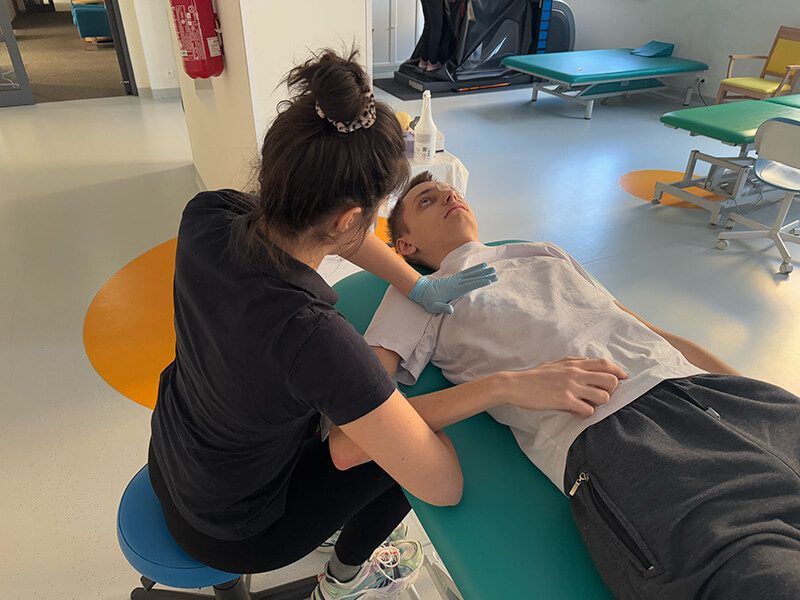
Aims of oncology rehabilitation at Origin

Our programme defines the aims of rehabilitation holistically, combining medical care with improvements in day-to-day functioning and psychological wellbeing.

  • Maximising quality of life and dignity.

    We strive to ensure that every patient – whatever stage of their illness they are at – regains a sense of agency. In the most difficult circumstances, we deliver on this aim through enhanced care under the CARE Package, protecting the patient from pain and discomfort.

  • Restoring physical capacity and independence.

    Through two sessions of functional rehabilitation each day and ADL (Activities of Daily Living) training, we work to improve the patient's strength, endurance and independence in everyday tasks.

  • Minimising the side effects of treatment.

    We focus on the professional management of lymphoedema (30 minutes of specialist therapy daily) and on relieving pain and restricted movement resulting from surgery or radiotherapy.

  • Reducing cancer-related fatigue.

    Individually tailored breathing exercises and general conditioning exercises help break the vicious cycle of exhaustion, improving oxygenation and overall condition.

  • Psychosomatic support and rebuilding self-worth.

    With the help of psychological support, we assist patients in regaining emotional balance, improving mood, and restoring confidence in their abilities.

  • Prevention of complications of immobility.

    For bedbound patients, our key aim is to prevent pressure ulcers and respiratory tract infections through dedicated pressure ulcer prevention protocols and bedside exercises.

Aims of oncology rehabilitation at Origin Aims of oncology rehabilitation at Origin
Aims of oncology rehabilitation at Origin

Scope of the programme

At Origin, we recognise that every cancer journey is different. That is why our oncology rehabilitation programme is designed to adapt continuously to each patient’s changing needs.

Thanks to our medical infrastructure and the high level of expertise within our therapeutic and nursing team, patients can come under our care at a very early stage – whether during active cancer treatment or immediately following surgical procedures.

The therapy is complemented by high-quality hotel-standard accommodation, catering tailored to the nutritional needs of patients undergoing treatment, and an atmosphere of empathy, which forms the foundation for recovery at our centres.

Centrum Origin Kraków

Ask for an offer

Do you have questions about our sessions? Are you interested in a specific treatment package?

Use our contact form.

Ask for an offer
  • Types of oncology rehabilitation
  • Expert multidisciplinary care
  • Bedside rehabilitation procedure
  • Safety principles

Types of oncology rehabilitation

The overarching aim of oncology rehabilitation is to improve quality of life at every stage of treatment and throughout the recovery process. Depending on the individual needs and health status of the patient, the programme may include the following modules:

  • Functional rehabilitation

    An individually tailored programme of strengthening, stretching and aerobic exercises. It helps maintain muscle strength, appropriate energy levels, and mobility both during and after cancer treatment.

  • Occupational therapy (ADL)

    Cancer treatment can lead to neuropathy, presenting as tingling or numbness in the hands and feet, which makes everyday tasks more difficult. Our occupational therapist works with the patient on strategies for coping with these challenges, helping them regain the functional ability needed for independent living.

  • Speech and swallowing therapy (speech and language therapy)

    Where treatment involves the throat, oesophagus or vocal cords, support from a specialist speech and language therapist helps patients regain the ability to communicate as well as eat and drink safely.

  • Respiratory rehabilitation

    Specialist exercises aimed at improving lung capacity and teaching effective coughing techniques, which is essential for preventing respiratory tract infections in patients with limited mobility.

  • Anti-oedema therapy

    Professional manual lymphatic drainage aimed at reducing swelling, which often occurs as a side effect of surgery or radiotherapy.

Expert multidisciplinary care

During oncology rehabilitation, our patients are monitored regularly, allowing the treatment plan to be adjusted in response to changes in their condition. Our multidisciplinary team – comprising doctors, specialist physiotherapists, nurses, psychologists and speech and language therapists – works together to identify changes in health status, ensuring safety and helping to avoid excessively burdensome or futile treatment. 

Bedside rehabilitation procedure

For bedbound patients, we apply a specialist procedure aimed at preventing complications of immobility and supporting the recovery process.

1. Pressure ulcer prevention

  • Regular repositioning every 2–3 hours.
  • Use of professional pressure-relieving mattresses.
  • Monitoring of skin condition combined with gentle massage to stimulate circulation.

2. Respiratory rehabilitation

  • Deep breathing exercises with a 2–3 second breath hold.
  • Resistance breathing training (e.g. blowing into a bottle of water).
  • Teaching effective coughing technique and diaphragmatic breathing to help prevent lung infections.

3. Education and monitoring

  • Preparing family members and carers to support the patient with everyday tasks.
  • Monitoring of pulse, respiratory rate and overall wellbeing during every session of exertion.
  • Continuous exchange of information within the medical and physiotherapy team.

Safety principles

The intensity of each therapy session is determined individually by the attending doctor and physiotherapist. Should a patient’s condition deteriorate, exercises are stopped immediately and the patient is reassessed medically, in order to avoid excessively burdensome or futile treatment.

Types of oncology rehabilitation

Types of oncology rehabilitation

The overarching aim of oncology rehabilitation is to improve quality of life at every stage of treatment and throughout the recovery process. Depending on the individual needs and health status of the patient, the programme may include the following modules:

  • Functional rehabilitation

    An individually tailored programme of strengthening, stretching and aerobic exercises. It helps maintain muscle strength, appropriate energy levels, and mobility both during and after cancer treatment.

  • Occupational therapy (ADL)

    Cancer treatment can lead to neuropathy, presenting as tingling or numbness in the hands and feet, which makes everyday tasks more difficult. Our occupational therapist works with the patient on strategies for coping with these challenges, helping them regain the functional ability needed for independent living.

  • Speech and swallowing therapy (speech and language therapy)

    Where treatment involves the throat, oesophagus or vocal cords, support from a specialist speech and language therapist helps patients regain the ability to communicate as well as eat and drink safely.

  • Respiratory rehabilitation

    Specialist exercises aimed at improving lung capacity and teaching effective coughing techniques, which is essential for preventing respiratory tract infections in patients with limited mobility.

  • Anti-oedema therapy

    Professional manual lymphatic drainage aimed at reducing swelling, which often occurs as a side effect of surgery or radiotherapy.

Expert multidisciplinary care

Expert multidisciplinary care

During oncology rehabilitation, our patients are monitored regularly, allowing the treatment plan to be adjusted in response to changes in their condition. Our multidisciplinary team – comprising doctors, specialist physiotherapists, nurses, psychologists and speech and language therapists – works together to identify changes in health status, ensuring safety and helping to avoid excessively burdensome or futile treatment. 

Bedside rehabilitation procedure

Bedside rehabilitation procedure

For bedbound patients, we apply a specialist procedure aimed at preventing complications of immobility and supporting the recovery process.

1. Pressure ulcer prevention

  • Regular repositioning every 2–3 hours.
  • Use of professional pressure-relieving mattresses.
  • Monitoring of skin condition combined with gentle massage to stimulate circulation.

2. Respiratory rehabilitation

  • Deep breathing exercises with a 2–3 second breath hold.
  • Resistance breathing training (e.g. blowing into a bottle of water).
  • Teaching effective coughing technique and diaphragmatic breathing to help prevent lung infections.

3. Education and monitoring

  • Preparing family members and carers to support the patient with everyday tasks.
  • Monitoring of pulse, respiratory rate and overall wellbeing during every session of exertion.
  • Continuous exchange of information within the medical and physiotherapy team.
Safety principles

Safety principles

The intensity of each therapy session is determined individually by the attending doctor and physiotherapist. Should a patient’s condition deteriorate, exercises are stopped immediately and the patient is reassessed medically, in order to avoid excessively burdensome or futile treatment.

Consultation on rehabilitation capacity

Often, patients and their loved ones hear that there is no hope, that nothing more can be done for them. Many of them, after accidents or illnesses, feel alone and unsure about what comes next. We see the confusion in their eyes and the fear of the unknown.

That’s why we created a special consultation with our specialists, which is more than just an assessment of health. It is a thorough meeting aimed at determining the real potential for rehabilitation. It is a moment when we say:

We understand your situation. This is how we assess your potential.
We are here to help you realize it together.

Konsultacja Potencjału Rehabilitacyjnego