Post-stroke rehabilitation – comprehensive support

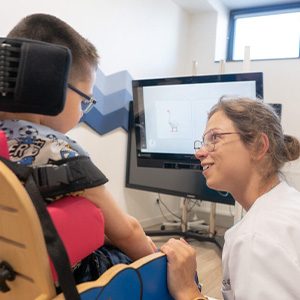
Post-stroke rehabilitation is a vital part of the recovery journey. At the Origin Centres, every patient receives an individually tailored rehabilitation plan designed to help restore lost functions and enhance quality of life. Our approach is holistic, combining modern therapies with personalised care to give each person the best possible chance of recovery. Learn more about our proven results and how we can support you in regaining independence and confidence.

Get help after a stroke

Do you have questions about our sessions? Are you interested in a specific treatment package?

Use our contact form.

Ask for an Offer

Get help after a stroke

Do you have questions about our sessions? Are you interested in a specific treatment package?

Use our contact form.

Ask for an Offer

Rehabilitation after stroke: why it matters

A stroke damages nerve structures in the brain, which can lead to a range of difficulties, including:

  • mobility problems such as paralysis, muscle weakness, balance issues, or difficulty coordinating movements;
  • speech and swallowing disorders including aphasia, dysarthria, and dysphagia;
  • cognitive difficulties such as problems with memory, attention, or concentration;
  • emotional changes including depression and anxiety.

Post-stroke rehabilitation is a multi-stage process that helps patients regain abilities lost due to the stroke, including movement, speech, and cognitive skills. With the right therapies, many people can make significant improvements, enhance their quality of life, and recover varying degrees of independence.

When to start post-stroke rehabilitation

When to start post-stroke rehabilitation

When to start post-stroke rehabilitation

At the Origin Centres, every patient receives an individual rehabilitation plan, regardless of when their stroke occurred – no one is ever excluded from the opportunity to improve. That said, starting rehabilitation as early as possible offers the best chance of regaining lost functions. Ideally, therapy should begin within the first days after a stroke, often while the patient is still in hospital. Once the patient’s condition is stable, we can continue and intensify rehabilitation at our centres, tailoring the programme to their current abilities, needs, and goals.

Goals of post-stroke rehabilitation

Post-stroke rehabilitation is a vital stage in the recovery process, aiming to improve physical, cognitive, and emotional functioning. At the Origin Centres in Kraków and Otwock, we focus on the following key goals:

  • Reducing the risk of another stroke

    understanding and addressing the causes of stroke, such as atherosclerosis, high blood pressure, smoking, and diabetes, helps to lower the risk of recurrence;

  • Improving overall health and wellbeing

    rehabilitation supports the recovery of physical and mental fitness, helping patients regain motivation and enjoyment in life; when started early, it can greatly reduce the long-term effects of a stroke and promote independence;

  • Restoring independence

    enabling patients to manage daily activities with as much autonomy as possible, which reduces disability and improves quality of life;

  • Adaptation

    supporting patients in adjusting to any lasting changes, a process which may take several years;

  • Ongoing recovery

    the length of rehabilitation depends on the severity of brain injury, as well as the patient’s motivation and engagement. It may last months or years, during which patients relearn lost abilities and develop new skills.

Goals of post-stroke rehabilitation Goals of post-stroke rehabilitation
Goals of post-stroke rehabilitation

Who is post-stroke rehabilitation for?

At the Origin Centres, our specialists draw on many years of experience to deliver a neurological rehabilitation programme tailored to the unique needs and abilities of each stroke patient.

Our rehabilitation is designed for people who:

  • have been disqualified from rehabilitation under the National Health Fund;
  • are waiting for treatment within the National Health Fund but face long queues;
  • are living with significant neurological deficits;
  • are seeking comprehensive rehabilitation combined with high-quality care;
  • want to regain mobility – including walking, maintaining balance, and carrying out activities of daily living;
  • want to improve communication – such as speaking, understanding, reading, and writing;
  • wish to increase independence in daily life;
  • aim to enhance their quality of life through greater support and fewer limitations;
  • want to prevent complications such as joint adhesions, muscle contractures, bedsores, lymphoedema, or respiratory problems;
  • have a PEG (percutaneous endoscopic gastrostomy) or a tracheostomy tube;
  • require breathing support from a ventilator.
Rehabilitacja po udarze – historia Marii

Ask for an Offer

Learn how to achieve the best possible quality of life after stroke.

Use our contact form

Ask for an Offer

Scope of the Origin post-stroke programme

The scope of our post-stroke rehabilitation programme is tailored to each patient’s health status, NIHSS score, and the time elapsed since their stroke:

  • early post-stroke rehabilitation for patients within 3 months of a stroke;
  • late post-stroke rehabilitation for patients more than 3 months after a stroke;
  • complementary rehabilitation – additional therapies such as medical cannabis, transcranial stimulation, or botulinum toxin treatment.

Rehabilitation at the Origin Centres is always adapted to the patient’s individual needs and closely monitored by a multidisciplinary team, including doctors, physiotherapists, occupational therapists, neurologists, and neuropsychologists.

Highly qualified staff

At the Origin Centres, the primary form of post-stroke rehabilitation is individual therapy, ensuring that each specialist’s full attention is focused on the patient and their goals.

Our post-stroke rehabilitation programme is delivered by an experienced, interdisciplinary team, including:

  • neurologists,
  • neuropsychologists
  • speech and language pathologists;
  • physiotherapists,
  • psychologists,
  • occupational therapists (ergotherapist),
  • nurses and carers.

Highly qualified staff

Medical case conferences

At the Origin Centres, rehabilitation includes weekly medical case conferences to review progress and monitor the goals achieved. During these meetings, the interdisciplinary team, led by a neurologist, agrees on the next steps in the treatment plan. The patient and/or their family is always informed about the team’s decisions and observations.

After 2-3 weeks of rehabilitation, each member of the team provides a mid-stay report, comparing the results of tests carried out at admission with the patient’s current status. This stage gives both therapists and the patient a clear medical picture of the progress made so far.

Medical case conferences

Nursing care

The nursing and care staff are an essential part of our interdisciplinary team, playing a key role in each patient’s recovery and wellbeing. Their work focuses on a positive, supportive approach to the entire stroke care process, aiming to maximise every patient’s health potential.

We provide care for patients with a wide range of needs – from those who require assistance with everyday activities to those in the most serious condition, needing advanced medical support. Our staff are fully trained and equipped to deliver professional care for patients requiring ventilation via a tracheostomy tube or enteral feeding via PEG.

Our team is also skilled in techniques for safely weaning patients from mechanical ventilation. In addition, supporting and training both patients and their families in challenging situations is an integral part of our holistic approach, which actively involves family participation in the care process.

Nursing care

Highly qualified staff

At the Origin Centres, the primary form of post-stroke rehabilitation is individual therapy, ensuring that each specialist’s full attention is focused on the patient and their goals.

Our post-stroke rehabilitation programme is delivered by an experienced, interdisciplinary team, including:

  • neurologists,
  • neuropsychologists
  • speech and language pathologists;
  • physiotherapists,
  • psychologists,
  • occupational therapists (ergotherapist),
  • nurses and carers.

Highly qualified staff

Medical case conferences

At the Origin Centres, rehabilitation includes weekly medical case conferences to review progress and monitor the goals achieved. During these meetings, the interdisciplinary team, led by a neurologist, agrees on the next steps in the treatment plan. The patient and/or their family is always informed about the team’s decisions and observations.

After 2-3 weeks of rehabilitation, each member of the team provides a mid-stay report, comparing the results of tests carried out at admission with the patient’s current status. This stage gives both therapists and the patient a clear medical picture of the progress made so far.

Medical case conferences

Nursing care

The nursing and care staff are an essential part of our interdisciplinary team, playing a key role in each patient’s recovery and wellbeing. Their work focuses on a positive, supportive approach to the entire stroke care process, aiming to maximise every patient’s health potential.

We provide care for patients with a wide range of needs – from those who require assistance with everyday activities to those in the most serious condition, needing advanced medical support. Our staff are fully trained and equipped to deliver professional care for patients requiring ventilation via a tracheostomy tube or enteral feeding via PEG.

Our team is also skilled in techniques for safely weaning patients from mechanical ventilation. In addition, supporting and training both patients and their families in challenging situations is an integral part of our holistic approach, which actively involves family participation in the care process.

Nursing care

Real People. Real Stories.

Rehabilitacja po udarze – historia Marii
Co jest najważniejsze w rehabilitacji po udarze?
Udar u młodej osoby – historia Magdy
Marcel – nauczyciel po udarze mózgu #udar #rehabilitacja
Elżbieta po udarze – historia naszej pacjentki
Historia Piotra po udarze
Jak wygląda rehabilitacja po udarze – perspektywa pacjentki Marty

What is post-stroke rehabilitation like at Origin?

At the Origin Centres in Otwock and Kraków, we provide individually tailored rehabilitation programmes, available as both inpatient and day-care stays. Our spacious, comfortable therapy rooms are equipped with modern, state-of-the-art rehabilitation equipment.

We believe that effective rehabilitation takes place in a supportive and comfortable environment. That is why we combine top-quality therapy with a pleasant setting and exceptional care – ensuring your stay with us is as effective and comfortable as possible.

Legs + Walking Lab

Legs + Walking Lab

Arms + Hands Lab

Arms + Hands Lab

Think + Speak Lab

Think + Speak Lab

Strenght + Endurance Lab

Strenght + Endurance Lab

Range of post-stroke therapies


Our post-stroke rehabilitation programmes can combine a variety of therapies, creating an intensive yet restorative stay that supports recovery. These may include:

  • rehabilitation exercises – aimed at improving range of motion, muscle strength, coordination, and stability;
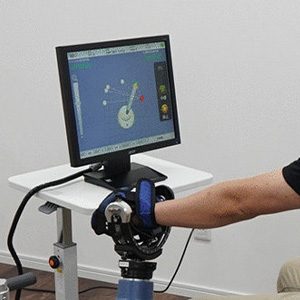
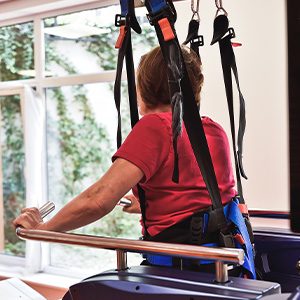
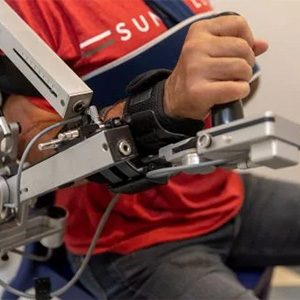
  • physiotherapy with advanced robotics – using modern technology to support motor recovery;
  • neurological consultations – regular specialist input to monitor progress and adjust therapy;
  • speech therapy – to improve communication and swallowing abilities;
  • adaptation training – in a specially equipped training flat for initial diagnosis and functional assessment;
  • psychological support – to help restore cognitive functions and adapt to new life circumstances;
  • occupational therapy – to support independence in daily activities.
  • Access to modern technology
  • Physiotherapy after stroke
  • Speech therapy after stroke
  • Psychological support after stroke
  • Occupational therapy and adaptive training

Access to modern technology

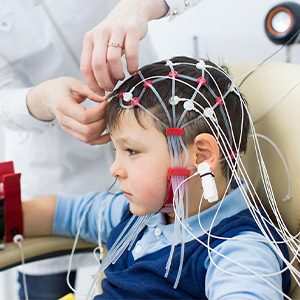
At Origin’s rehabilitation centres, our experienced team of medical and rehabilitation specialists combine their expertise with cutting-edge technology to deliver the highest standard of care. With advanced equipment and innovative facilities, we provide comprehensive diagnostics and therapy, helping our patients achieve the best possible rehabilitation outcomes and supporting their return to greater independence and fitness.

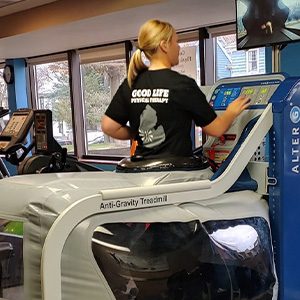
We incorporate state-of-the-art therapeutic robotics and specialised devices into the rehabilitation process to ensure precision, efficiency, and measurable progress, including:

  • Reo Ambulator,
  • ReoGo,
  • DST automatic staircase,
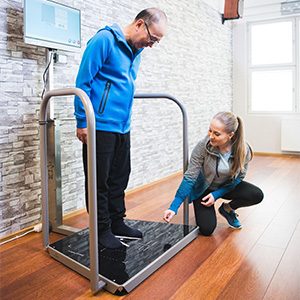
  • anti-gravity treadmill,
  • micropolarisation,
  • C-Eye,
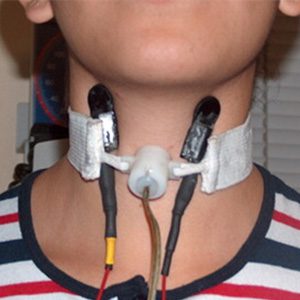
  • electrostimulation of the larynx,
  • HUR Platform.

Physiotherapy after stroke

Drawing on their expertise and experience, our specialists use both modern and personalised therapeutic methods. Rehabilitation is delivered through manual therapy as well as with the support of advanced robotic equipment. Each patient is assigned a dedicated physiotherapist who conducts the sessions individually, sometimes assisted by an additional therapist to optimise results.

For early post-stroke rehabilitation, we apply neurophysiological techniques such as PNF and Bobath. These methods help regulate muscle tone, enhance both deep and surface sensation, and prevent muscle atrophy.

For late post-stroke rehabilitation, the focus shifts to restoring functions affected by the long-term consequences of a stroke. This includes improving limb dexterity, motor coordination, and balance, as well as enhancing overall physical fitness.

Physical activities may include:

  • motor skills exercises:

    exercises can help to improve muscle strength and motor coordination throughout the body; they include exercising the muscles used for balance, walking and even swallowing;

  • mobility training:

    the patient can learn to use aids such as a wheelchair, cane, balcony or orthosis. Depending on the patient's condition, we focus on overcoming obstacles such as stairs, transferring to a wheelchair, walking on uneven terrain, walking in uneven terrain, walking to the forest, shopping.

  • constraint-induced movement therapy:

    post-stroke improvement.

  • range of motion therapy:

    certain exercises and treatments (e.g. dry needling) can reduce muscle tension, known as spasticity, and help regain range of movement.

Our Patients' Success Stories

Bieżnia antygrawitacyjna

Speech therapy after stroke

As part of our comprehensive rehabilitation programme, we also provide specialist neurologopaedic therapy. For many patients, regaining the ability to swallow safely and return to normal eating under professional supervision is a turning point in their recovery.

The speech therapist (also known as speech and language pathologist) works closely with other specialists in the rehabilitation process, including the care of patients in severe condition, those fed through a nasogastric tube or PEG, and those breathing via a tracheostomy tube.

The scope of a speech therapist’s work includes:

  • providing therapy to improve speech following a stroke;
  • assessing the reflexes necessary to begin feeding therapy and introducing them into treatment if required;
  • teaching patients to resume eating and drinking by the natural route and, once feeding is fully restored, working with the doctor to adjust the patient’s diet; the therapist also advises when it is safe to remove a feeding tube or gastrostomy;
  • recommending additional examinations for the team, patient, or family – most often FEES (Fibreoptic Endoscopic Evaluation of Swallowing), which involves assessing swallowing with a small camera inserted through the nose;
  • ensuring the patient’s oral hygiene is maintained, monitoring it regularly, and instructing caregivers on correct techniques and frequency.

Psychological support after stroke

At the Origin Centres, our neuropsychologists provide long-term support to help patients adapt to changes in cognitive, emotional, and social functioning after a stroke. The main responsibilities of the neuropsychologist include:

  • neuropsychological assessment – monitoring the patient’s cognitive status and tracking changes over time to tailor therapeutic interventions effectively;
  • cognitive function training – individually designed exercises to strengthen memory, attention, executive functions, and other skills affected by brain injury;
  • teaching compensatory strategies – introducing practical techniques to help manage deficits, such as using notes, visual cues, or time-organisation methods;
  • emotional support – helping patients cope with frustration, depression, anxiety, and reduced self-esteem, which are common after stroke and other brain injuries;
  • psychoeducation for patients and families – providing information about the effects of stroke and practical ways to support everyday functioning, with the goal of improving social integration and quality of life.

Occupational therapy and adaptive training

Alongside rehabilitation, adaptation training plays a key role in recovery. At the Origin Centres, this takes place in a specially equipped training flat, which is used for initial diagnosis and functional assessment.

Occupational therapy focuses on developing and maintaining skills for activities of daily living (ADL), such as brushing teeth, combing hair, painting, using the toilet, transferring to and from the toilet, dressing, and much more.

During ADL therapy in the training flat, patients work with their therapist towards specific goals. These may include tasks such as slicing, spreading, screwing, squeezing, gripping, controlling, and manipulating everyday objects – all designed to improve independence and confidence in daily life.

  • Activities of Daily Living (ADL) Training:

    Occupational therapy focuses on teaching essential daily activities such as dressing and undressing, personal hygiene, meal preparation and eating, using the toilet, and transferring or moving around. The goal is to restore as much independence as possible in performing these activities.

  • Modification of the environment:

    our occupational therapists can advise on adapting the home environment to make it safer and more accessible. This may include removing obstacles, installing grab rails or special chairs, and selecting the right tools and accessories (such as adapted cutlery, non-slip placemats, or utensils) to support independent living.

  • Motor and coordination training:

    Occupational therapy often incorporates exercises to improve motor skills, coordination, range of movement, muscle strength, balance, and sensory stimulation of the affected limb. This may also include massage therapy to support recovery.

  • Manual exercises:

    sessions may focus on refining hand and finger movements, which are essential for activities like writing, holding cutlery, or fastening buttons. For a numb hand, massage can be used to stimulate the nervous system and enhance sensation.

  • Supporting cognitive and emotional functions:

    Occupational therapy can also target cognitive skills such as memory, concentration, and planning. Many post-stroke patients experience difficulties in these areas, as well as challenges with communication. Consequently, they need the therapy that helps maintain the ability to carry out daily tasks, engage in social interactions, and solve everyday problems.

  • Improving quality of life and activity:

    Occupational therapy encourages patients to continue activities that bring enjoyment and fulfilment. This may include creative hobbies such as drawing, painting, sewing, gardening, or other leisure activities that promote self-expression, mental stimulation, and social engagement.

Access to modern technology

Access to modern technology

At Origin’s rehabilitation centres, our experienced team of medical and rehabilitation specialists combine their expertise with cutting-edge technology to deliver the highest standard of care. With advanced equipment and innovative facilities, we provide comprehensive diagnostics and therapy, helping our patients achieve the best possible rehabilitation outcomes and supporting their return to greater independence and fitness.

We incorporate state-of-the-art therapeutic robotics and specialised devices into the rehabilitation process to ensure precision, efficiency, and measurable progress, including:

  • Reo Ambulator,
  • ReoGo,
  • DST automatic staircase,
  • anti-gravity treadmill,
  • micropolarisation,
  • C-Eye,
  • electrostimulation of the larynx,
  • HUR Platform.
Physiotherapy after stroke

Physiotherapy after stroke

Drawing on their expertise and experience, our specialists use both modern and personalised therapeutic methods. Rehabilitation is delivered through manual therapy as well as with the support of advanced robotic equipment. Each patient is assigned a dedicated physiotherapist who conducts the sessions individually, sometimes assisted by an additional therapist to optimise results.

For early post-stroke rehabilitation, we apply neurophysiological techniques such as PNF and Bobath. These methods help regulate muscle tone, enhance both deep and surface sensation, and prevent muscle atrophy.

For late post-stroke rehabilitation, the focus shifts to restoring functions affected by the long-term consequences of a stroke. This includes improving limb dexterity, motor coordination, and balance, as well as enhancing overall physical fitness.

Physical activities may include:

  • motor skills exercises:

    exercises can help to improve muscle strength and motor coordination throughout the body; they include exercising the muscles used for balance, walking and even swallowing;

  • mobility training:

    the patient can learn to use aids such as a wheelchair, cane, balcony or orthosis. Depending on the patient's condition, we focus on overcoming obstacles such as stairs, transferring to a wheelchair, walking on uneven terrain, walking in uneven terrain, walking to the forest, shopping.

  • constraint-induced movement therapy:

    post-stroke improvement.

  • range of motion therapy:

    certain exercises and treatments (e.g. dry needling) can reduce muscle tension, known as spasticity, and help regain range of movement.

Our Patients' Success Stories

Bieżnia antygrawitacyjna
Speech therapy after stroke

Speech therapy after stroke

As part of our comprehensive rehabilitation programme, we also provide specialist neurologopaedic therapy. For many patients, regaining the ability to swallow safely and return to normal eating under professional supervision is a turning point in their recovery.

The speech therapist (also known as speech and language pathologist) works closely with other specialists in the rehabilitation process, including the care of patients in severe condition, those fed through a nasogastric tube or PEG, and those breathing via a tracheostomy tube.

The scope of a speech therapist’s work includes:

  • providing therapy to improve speech following a stroke;
  • assessing the reflexes necessary to begin feeding therapy and introducing them into treatment if required;
  • teaching patients to resume eating and drinking by the natural route and, once feeding is fully restored, working with the doctor to adjust the patient’s diet; the therapist also advises when it is safe to remove a feeding tube or gastrostomy;
  • recommending additional examinations for the team, patient, or family – most often FEES (Fibreoptic Endoscopic Evaluation of Swallowing), which involves assessing swallowing with a small camera inserted through the nose;
  • ensuring the patient’s oral hygiene is maintained, monitoring it regularly, and instructing caregivers on correct techniques and frequency.
Psychological support after stroke

Psychological support after stroke

At the Origin Centres, our neuropsychologists provide long-term support to help patients adapt to changes in cognitive, emotional, and social functioning after a stroke. The main responsibilities of the neuropsychologist include:

  • neuropsychological assessment – monitoring the patient’s cognitive status and tracking changes over time to tailor therapeutic interventions effectively;
  • cognitive function training – individually designed exercises to strengthen memory, attention, executive functions, and other skills affected by brain injury;
  • teaching compensatory strategies – introducing practical techniques to help manage deficits, such as using notes, visual cues, or time-organisation methods;
  • emotional support – helping patients cope with frustration, depression, anxiety, and reduced self-esteem, which are common after stroke and other brain injuries;
  • psychoeducation for patients and families – providing information about the effects of stroke and practical ways to support everyday functioning, with the goal of improving social integration and quality of life.
Occupational therapy and adaptive training

Occupational therapy and adaptive training

Alongside rehabilitation, adaptation training plays a key role in recovery. At the Origin Centres, this takes place in a specially equipped training flat, which is used for initial diagnosis and functional assessment.

Occupational therapy focuses on developing and maintaining skills for activities of daily living (ADL), such as brushing teeth, combing hair, painting, using the toilet, transferring to and from the toilet, dressing, and much more.

During ADL therapy in the training flat, patients work with their therapist towards specific goals. These may include tasks such as slicing, spreading, screwing, squeezing, gripping, controlling, and manipulating everyday objects – all designed to improve independence and confidence in daily life.

  • Activities of Daily Living (ADL) Training:

    Occupational therapy focuses on teaching essential daily activities such as dressing and undressing, personal hygiene, meal preparation and eating, using the toilet, and transferring or moving around. The goal is to restore as much independence as possible in performing these activities.

  • Modification of the environment:

    our occupational therapists can advise on adapting the home environment to make it safer and more accessible. This may include removing obstacles, installing grab rails or special chairs, and selecting the right tools and accessories (such as adapted cutlery, non-slip placemats, or utensils) to support independent living.

  • Motor and coordination training:

    Occupational therapy often incorporates exercises to improve motor skills, coordination, range of movement, muscle strength, balance, and sensory stimulation of the affected limb. This may also include massage therapy to support recovery.

  • Manual exercises:

    sessions may focus on refining hand and finger movements, which are essential for activities like writing, holding cutlery, or fastening buttons. For a numb hand, massage can be used to stimulate the nervous system and enhance sensation.

  • Supporting cognitive and emotional functions:

    Occupational therapy can also target cognitive skills such as memory, concentration, and planning. Many post-stroke patients experience difficulties in these areas, as well as challenges with communication. Consequently, they need the therapy that helps maintain the ability to carry out daily tasks, engage in social interactions, and solve everyday problems.

  • Improving quality of life and activity:

    Occupational therapy encourages patients to continue activities that bring enjoyment and fulfilment. This may include creative hobbies such as drawing, painting, sewing, gardening, or other leisure activities that promote self-expression, mental stimulation, and social engagement.

Consultation on rehabilitation capacity

Often, patients and their loved ones hear that there is no hope, that nothing more can be done for them. Many of them, after accidents or illnesses, feel alone and unsure about what comes next. We see the confusion in their eyes and the fear of the unknown.

That’s why we created a special consultation with our specialists, which is more than just an assessment of health. It is a thorough meeting aimed at determining the real potential for rehabilitation. It is a moment when we say:

We understand your situation. This is how we assess your potential.
We are here to help you realize it together.

Konsultacja Potencjału Rehabilitacyjnego